Blog
Insights on service robots, automation technology, and industry trends.
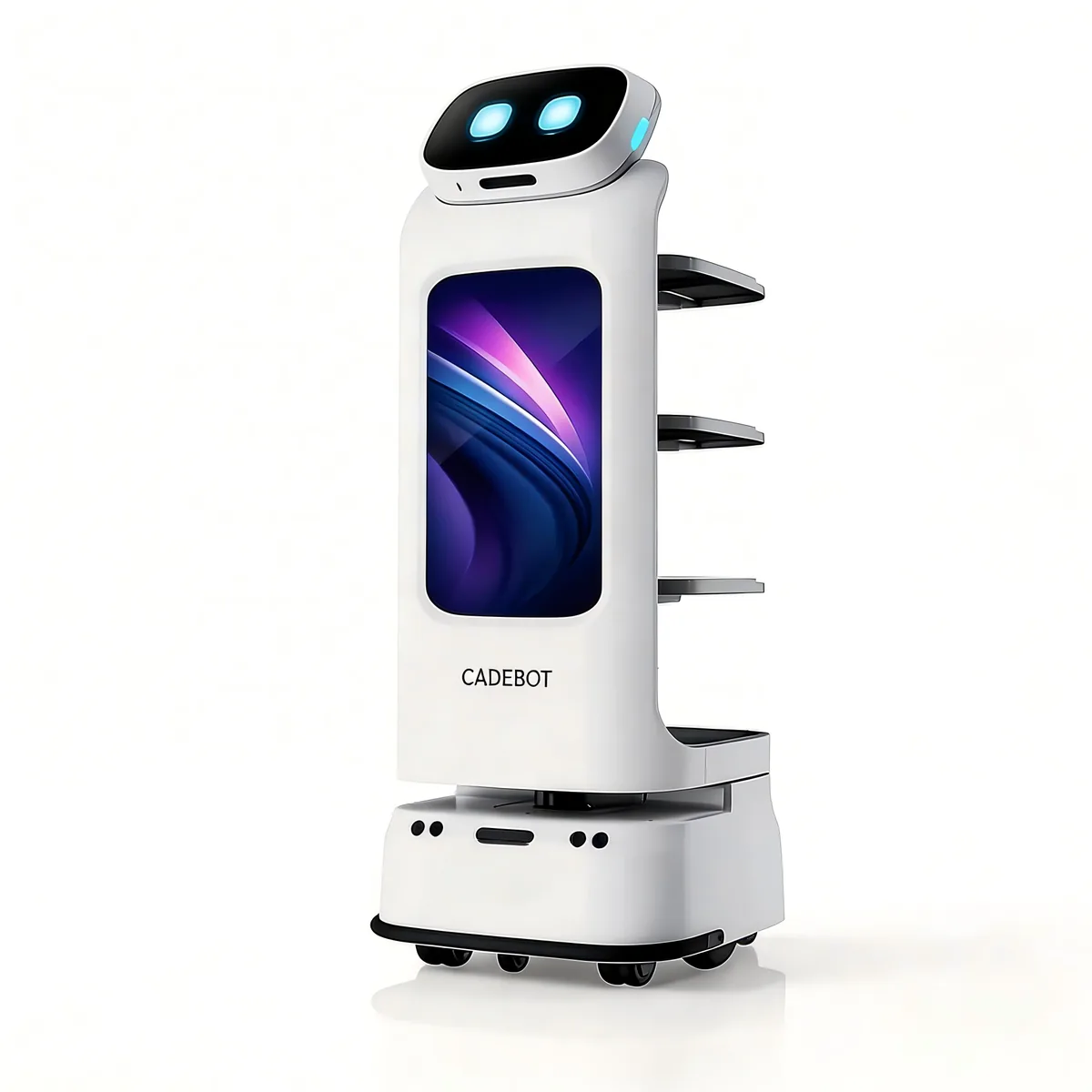
AMR vs AGV: Choosing the Right Autonomous Delivery Robot for Your Facility
Most AMR vs AGV comparisons are written for warehouse engineers — this one is for facility and operations managers in hotels, hospitals, offices and retail who are evaluating autonomous delivery robots for buildings where people, not pallets, are the traffic. The short version: AGVs follow fixed paths marked by magnetic tape, reflective strips or embedded wires, and they are excellent at repeating the same route thousands of times in controlled environments. AMRs navigate with LiDAR and SLAM mapping, need no floor infrastructure, and re-plan their own routes around people, carts and obstacles. This guide breaks down the six decisions that actually separate the two technologies — navigation method, infrastructure cost, deployment speed, safety behavior, multi-floor capability and total cost of ownership — with the numbers behind each, so you can match the technology to the building you actually operate.
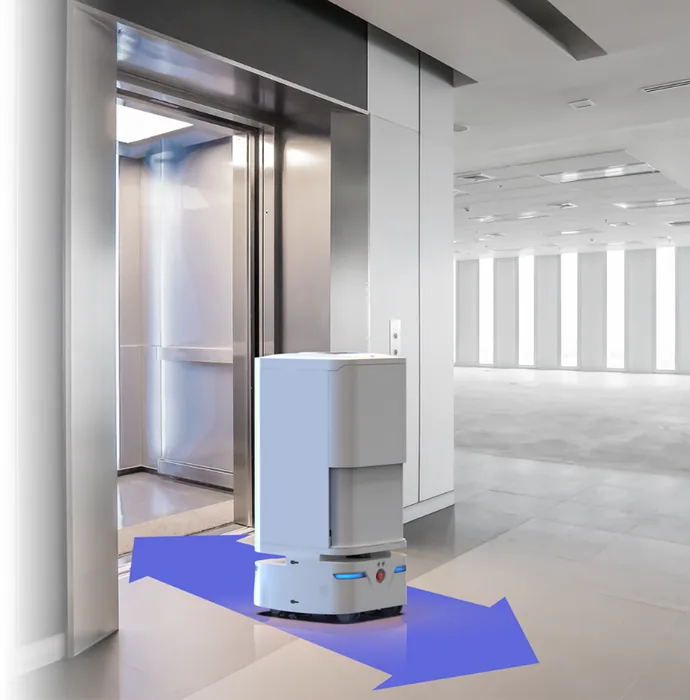
How Delivery Robots Navigate Elevators: Integration Standards, Access Control & Deployment Checklist
The single most common reason a delivery robot pilot fails in a multi-floor building is not the robot — it is the elevator. A robot can map a floor in minutes, but calling an elevator requires talking to a machine that was never designed to talk to robots: the building's elevator controller, its access-control system and its floor-arbitration logic. This guide explains the three integration models used in production deployments — elevator API/IoT integration, building management system integration, and relay-based retrofit — the VDA 5050 and EN 81 standards landscape, the AOMAN DOUBLE's 420 mm width advantage in real elevator cabins, and the site-survey checklist that separates a 3-day deployment from a 3-month one. Written for facility managers and operations directors evaluating autonomous delivery in hotels, hospitals, offices and residential towers.
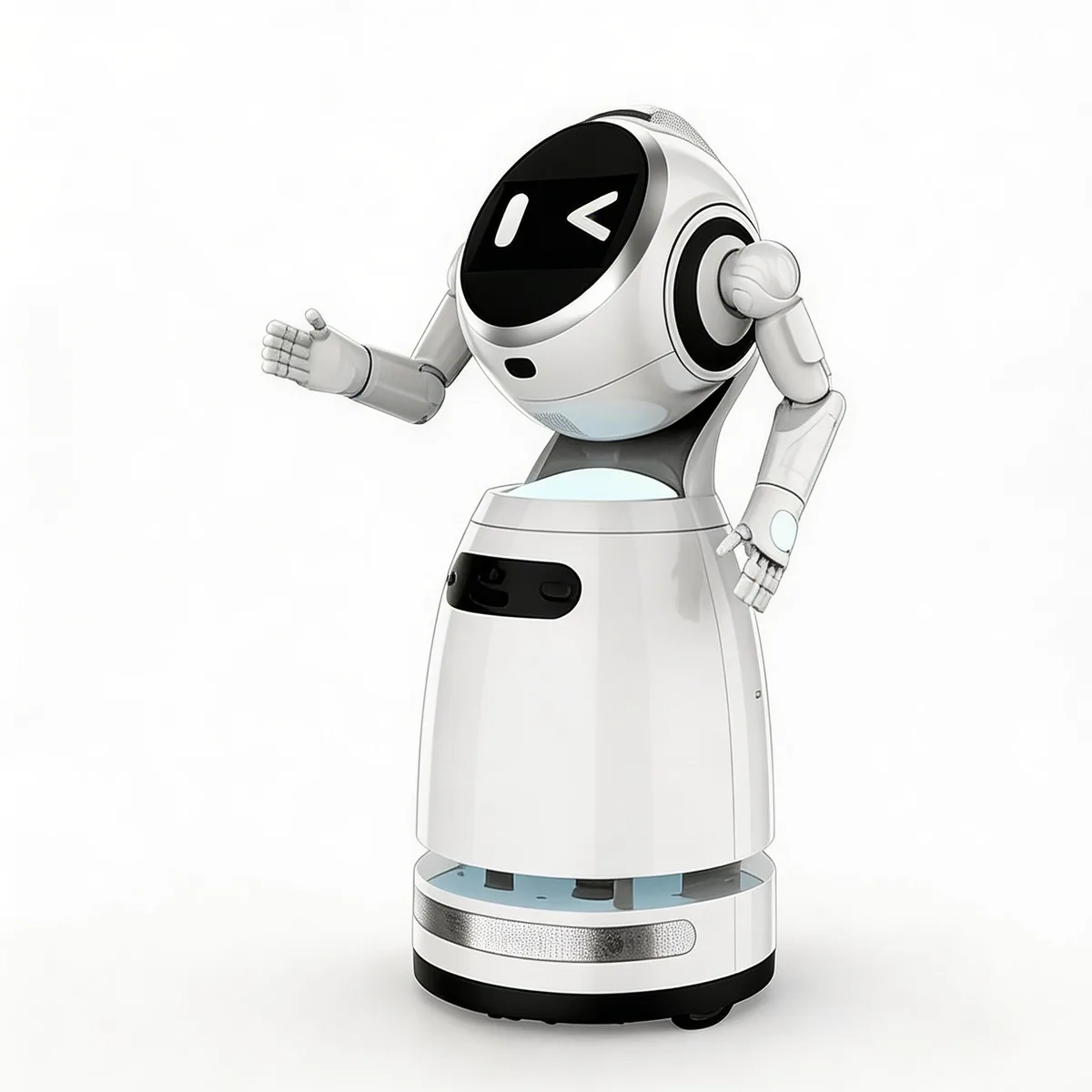
Service Robots for Retail Pharmacies & Drugstores: Prescription Delivery, Floor Care & Front-of-Store Assistance
Community pharmacies in the United States — roughly 60,000 independent and chain locations — are running the highest transaction volume per square foot in retail while carrying a staffing model under structural pressure: pharmacist hours are regulated, pharmacy technician turnover runs 25-35% a year, and the fastest-growing revenue channel (digital prescriptions and click-and-collect) adds a delivery workload the front counter was never designed for. This guide covers the three robot roles proven in pharmacy deployments: autonomous delivery robots that move prescriptions and OTC orders from the backroom to the pickup counter and the curbside handoff, quiet floor-scrubbing robots that keep high-traffic sales floors and consultation areas clean without disrupting dispensing, and humanoid reception robots that absorb the repetitive front-of-store questions while protecting patient privacy. Includes the HIPAA-relevant design rules, the space and traffic math for typical 3,000-10,000 sq ft stores, and the RaaS pricing model that fits pharmacy budgets.
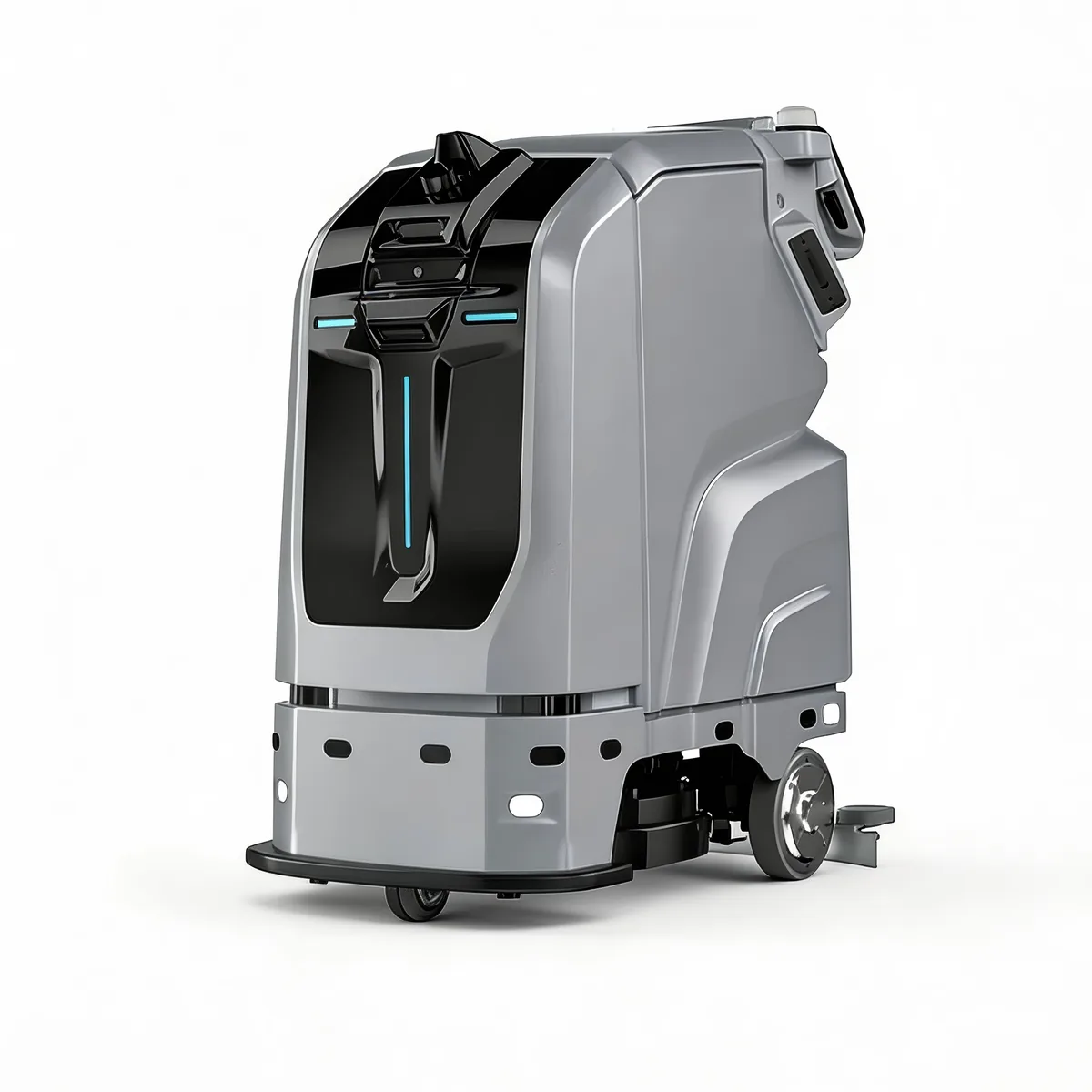
Service Robots for Beauty Salons & Wellness Spas — Floor Care Automation, Front Desk Concierge & Retail Delivery
Beauty salons and wellness spas operate on appointment revenue, which means every hour of staff time spent on floors, front desk queues and retail restocking is an hour not spent on clients. A typical 12-station salon in the United States spends 1.5-2 hours per day on floor cleaning alone — sweeping hair clippings, mopping product residue and polishing reception areas — and a mid-size day spa can lose 3-4 front desk hours per day to check-in traffic, phone calls and retail sales that a receptionist handles between appointments. This guide covers the three automation layers that beauty and wellness operators are deploying in 2026: autonomous floor scrubbers that keep styling stations, treatment rooms and retail floors presentable without pulling staff off the floor, humanoid concierge robots that absorb the repetitive layer of check-in and guest questions at the front desk, and delivery robots that move retail stock and refreshment orders through back-of-house corridors. It includes the sanitation rules salon operators must stay compliant with, the noise and moisture specifications that matter in treatment environments, and the RaaS and budget models that let a single-location salon automate without a capital outlay.
Service Robots for Childcare Centers & Preschools — Hygiene-Driven Floor Cleaning, Meal Delivery & Secure Reception
Childcare centers and preschools operate under the strictest sanitation and supervision requirements of any commercial facility — state licensing rules that mandate daily floor disinfection, staff-to-child ratios that leave no one free for facility work, and security requirements for check-in and pickup verification that make reception a compliance function rather than a courtesy. The United States has roughly 130,000 licensed childcare centers serving over 10 million children, and the industry's chronic staffing shortage means directors routinely cover classrooms themselves rather than assign anyone to cleaning or meal logistics. This guide covers the three automation layers early-childhood operators are deploying: autonomous floor scrubbers that run documented disinfection routes without adding staff, delivery robots that move meal carts and supplies between classrooms on the CACFP meal schedule, and humanoid reception robots that assist parent-facing check-in and visitor logging under human supervision. It includes the quiet-operation and safety specifications that matter around children, the licensing considerations directors must verify, and the RaaS and budget models that fit a center's thin margins.
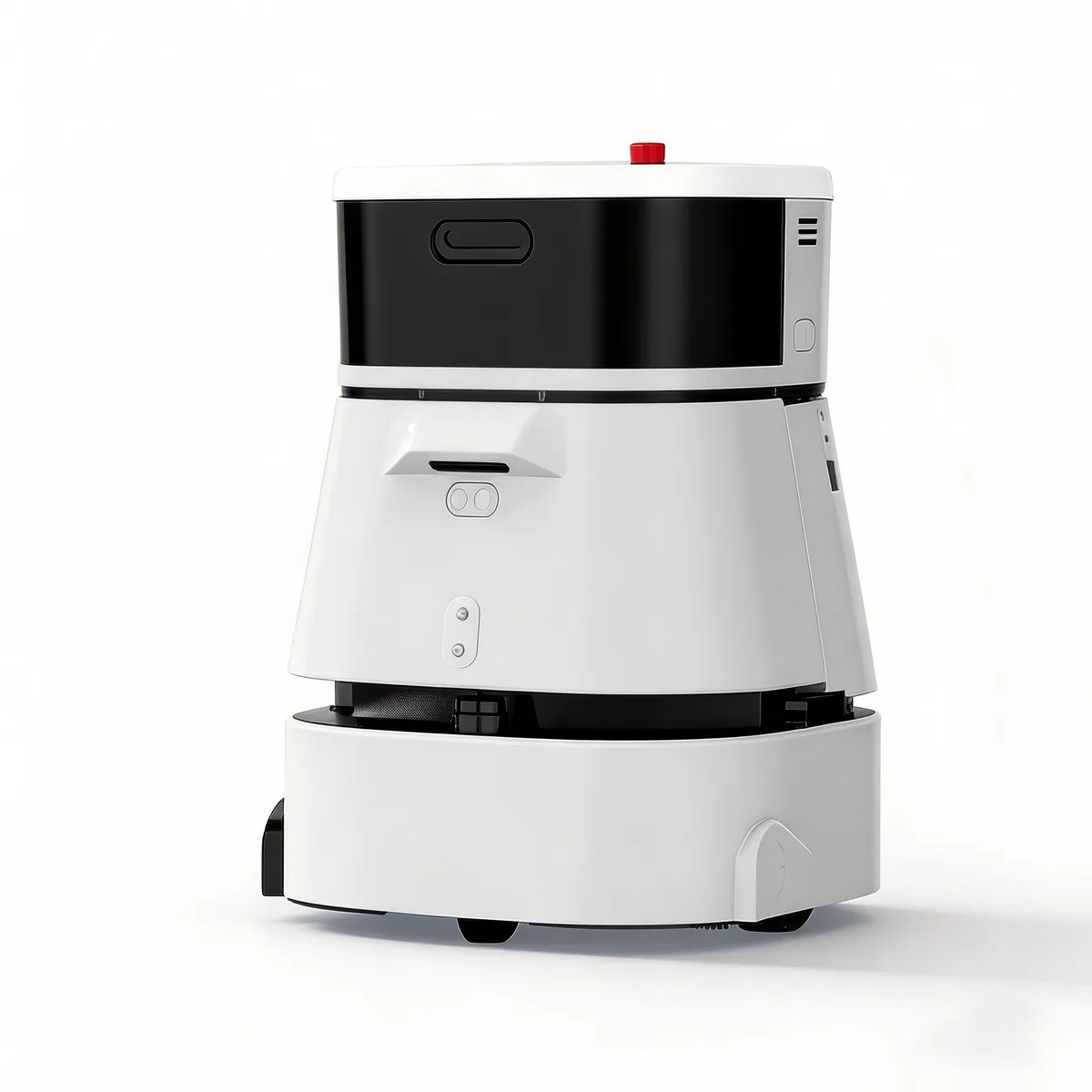
Service Robots for Fire Stations & Emergency Response Facilities — Apparatus Bay Sweeping, Living Quarter Cleaning & Community Education
Fire stations are 24/7 facilities where the building itself is a mission asset: a station that must house crews in shifts around the clock, keep apparatus bays clean enough for inspection-ready turnout, and host thousands of community visitors a year — all while the people who maintain it are often the same firefighters who just returned from a call. The United States operates roughly 33,000 fire stations staffed by about 1.1 million firefighters, and station studies consistently show that facility upkeep consumes 2-3 hours of crew time per shift — time pulled away from training, apparatus checks and rest between calls. This guide covers the three automation layers fire departments are deploying: autonomous outdoor sweepers that keep apparatus bays and aprons free of debris and oil stains, quiet indoor scrubbers that clean living quarters without waking crews sleeping between calls, and humanoid concierge robots that absorb the repetitive layer of station tours and community fire-safety education. It includes the noise specifications that matter in stations, the contamination-control considerations around turnout gear, and the municipal procurement and RaaS models that let departments automate within public budgets.
Service Robots for Performing Arts Centers & Concert Halls — Silent Cleaning, Lobby Concierge & Backstage Logistics
Performing arts centers operate under a constraint no other venue type faces: the building itself is an acoustic instrument. A 2,000-seat concert hall is designed to amplify a solo violin to the back balcony, which means every cleaning operation inside the auditorium must be silent, every backstage move must be timed to rehearsal schedules, and every lobby interaction must happen during a 20-minute intermission rush. The labor economics are equally unforgiving — the International Alliance of Theatrical Stage Employees (IATSE) and building service union agreements govern which crews can touch which surfaces, and the average regional performing arts center spends 12-18% of its operating budget on housekeeping and front-of-house labor while facing the same hospitality wage inflation as hotels. Autonomous service robots — ultra-quiet floor scrubbers for auditorium and lobby cleaning between performances, humanoid concierge robots for intermission wayfinding and membership check-in, and delivery robots for backstage and loading-dock logistics — let a venue hold its acoustic and service standards with a smaller, better-deployed crew. This guide covers deployment models for concert halls, opera houses, theaters and multi-venue performing arts campuses, with the acoustics data, union-compatibility framework and phased rollout plan operations directors need.
Service Robots for Places of Worship — Quiet Cleaning Between Services, Congregation Greeting & Event Logistics
Large places of worship — megachurches, cathedrals, mosques, temples and synagogues — are among the most labor-intensive facilities in the nonprofit sector, and they run on a staffing model no commercial venue would attempt: a small paid facilities team supported by volunteers whose availability peaks on the weekend and evaporates during the week. A 3,000-member megachurch operates a 120,000-square-foot campus with a sanctuary that must be spotless for back-to-back Sunday services, a children's wing that is cleaned twice daily during the school week, a fellowship hall that hosts 40-60 events a year, and a parking operation that absorbs 1,200 cars in 30 minutes. Industry surveys of church facilities managers consistently rank cleaning and setup labor as the top volunteer burnout driver — the Hartford Institute for Religion Research estimates the average US congregation spends 11-15% of its operating budget on facilities, with cleaning the largest single line item after utilities. Autonomous service robots — ultra-quiet floor scrubbers for sanctuary and classroom cleaning between services, humanoid concierge robots for greeting and wayfinding at large gatherings, and delivery robots for fellowship hall event logistics — let a congregation hold its hospitality standard with a fraction of the volunteer hours. This guide covers deployment models for churches, mosques, temples and synagogue campuses, with volunteer-economics data, acoustics considerations for worship spaces, and the budget-sensitive rollout roadmap.
Service Robots for Solar Farms & Renewable Energy Facilities — Grounds Sweeping, O&M Building Automation & Visitor Center Concierge
Solar farms and renewable energy facilities manage two very different kinds of space: outdoor plant grounds measured in hundreds of acres — access roads, panel array corridors, substation yards and parking areas that must stay clear of dust, sand, leaves and debris — and indoor spaces like O&M buildings, control rooms, battery storage facilities and visitor centers that need continuous cleaning and reception coverage. The labor problem is structural: utility-scale solar O&M teams are sized for electrical work, not groundskeeping, yet industry benchmarks show grounds maintenance consuming 15-25% of O&M labor hours at large PV plants, and every hour a technician spends sweeping instead of servicing inverters is an hour of lost production availability. Autonomous outdoor sweepers that operate in all weather, quiet indoor scrubbers for control rooms and offices, and humanoid concierge robots for visitor centers let an O&M team cover a 1,000-acre site with the same headcount that once managed 200. This guide covers deployment models for utility-scale PV farms, wind farms, substations and battery energy storage sites, with the labor economics, weather-resilience requirements and phased rollout roadmap facility owners need before signing.
Service Robots for Golf Courses & Country Clubs — Cart Path Sweeping, Clubhouse Concierge & Seasonal Operations
Golf courses and country clubs operate two businesses under one roof: a 100-250 acre outdoor maintenance enterprise with turf, cart paths, parking, and practice facilities that must present tournament-ready curb appeal every morning, and a hospitality operation — clubhouse, dining, pro shop, pool, and events — that serves members and guests with the service standards of a private hotel. Both sides face the same structural problem: a seasonal, hard-to-hire labor pool and a peak-demand window that compresses all the work into daylight hours. Autonomous outdoor sweepers for cart paths and parking areas, humanoid concierges for clubhouse check-in and event wayfinding, and delivery robots for patio and poolside service let a 250-acre club maintain its presentation and service standards with a fraction of the seasonal staff. This guide covers deployment models for private clubs, daily-fee courses, resort courses and multi-course operators, with maintenance labor economics, weather-resilience data, and the seasonal deployment roadmap.
Service Robots for Medical Clinics & Outpatient Centers — Reception, Specimen Transport & Hygiene Automation
Medical clinics and outpatient centers run on a staffing model that is structurally different from hospitals: one front-desk team handling 200-400 patient encounters per day, one phlebotomy team racing STAT specimen deadlines, and one facility team expected to keep exam rooms and waiting areas at clinical hygiene standards between every patient. Autonomous service robots — humanoid reception robots for check-in and wayfinding, delivery robots for specimen and medication transport, and quiet floor scrubbers for continuous hygiene — let a 6-12 provider clinic operate like a facility three times its size. This guide covers deployment models for primary care, specialty clinics, urgent care centers and ambulatory surgery centers, with the labor economics, HIPAA compliance framework, and deployment roadmap facility administrators need before signing.
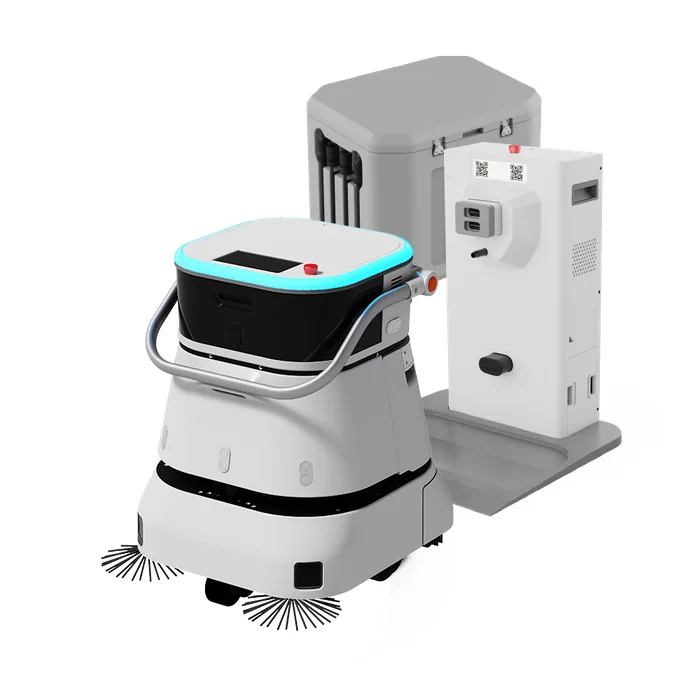
Service Robots for Self-Storage Facilities — Lot Maintenance, Corridor Hygiene & After-Hours Leasing
The US self-storage industry operates 50,000+ facilities totaling over 1.9 billion square feet, and its economics run on two fragile assumptions: that the on-site manager can keep a 60,000-150,000 square foot property presentable while also selling units, and that curb appeal — the first impression that drives 75% of rental decisions — can be maintained with fractional staffing. Autonomous service robots — compact floor scrubbers for corridors and offices, outdoor sweepers for lots and driveways, and humanoid reception robots for after-hours leasing and move-in orientation — let a storage operator deliver the presentation and service standards of a fully staffed property with a fraction of the labor. This guide covers deployment models for single sites, multi-site operators and REIT portfolios, with the occupancy-and-pricing math, gate and access-control integration, and the ROI framework storage owners need.
Hospital Delivery Robots: Internal Logistics Automation for Pharmacy, Lab & Patient Care — The 2026 Procurement Guide
Hospital internal logistics consumes 30-40% of nursing time. Autonomous delivery robots are transforming pharmacy-to-ward medication transport, lab specimen routing, and supply chain logistics in hospitals worldwide. This guide covers deployment models, ROI data, compliance requirements, and vendor selection for 2026.
Refurbished & Off-Lease Service Robots: The Secondary Market Buyer's Guide — Save 30-50% on Deployed Fleet Expansion in 2026
Refurbished service robots cost 30-50% less than new units, but the secondary market has no standardized grading system, no Blue Book, and no Lemon Law. This guide maps the sourcing channels, inspection checklist, warranty options, and the fleet-expansion economics that determine whether buying used saves money or creates a maintenance nightmare.
Service Robot Insurance & Liability — What Facility Managers Must Know Before Deployment
Service robot insurance is the deployment risk most facility managers overlook until a claim lands. This guide covers coverage types from general liability to cyber, real claims scenarios with dollar figures, RaaS-vs-purchase insurance responsibility splits, cost ranges per fleet size, and the risk assessment framework that carriers now demand before quoting autonomous equipment in 2026.
Service Robot Staff Training & Certification: Building Internal Operations Expertise for Autonomous Fleet Management — A 2026 Workforce Development Guide
The difference between a 15-minute robot stoppage and a 4-hour operational crisis isn't the robot — it's whether your staff knows what to do. This guide covers training tiers, certification pathways, train-the-trainer models, skills matrices by robot type, and the real cost of untrained mistakes.
Service Robots for Agricultural & Food Processing Facilities — Autonomous Operations for Hygiene-Critical Production Environments
Indoor farming operations, food processing plants, and cold storage facilities operate under some of the most stringent hygiene regimes in any industry — FDA FSMA Preventive Controls, USDA HACCP plans, SQF/BRCGS certification, and ISO 22000 food safety management. Autonomous cleaning robots that operate continuously within these environments, autonomous delivery robots that eliminate human traffic through cleanroom-to-processing-floor transitions, and humanoid reception robots for visitor management and compliance documentation represent a new category of food safety infrastructure that reduces cross-contamination risk, lowers audit non-conformance rates, and decreases sanitation labor costs by 35-50%. This guide covers deployment architecture for USDA-inspected and FDA-regulated facilities, surface material compatibility, and HACCP integration.
Service Robots for Bus & Rail Transit Stations — Autonomous Operations for High-Throughput Public Facilities
Bus terminals, subway stations, and railway hubs process 50,000-500,000 passengers daily across 50,000-400,000 sq ft of public space. Autonomous service robots — humanoid information kiosks for wayfinding and schedule assistance, industrial-grade floor scrubbers for continuous concourse maintenance, and delivery robots for back-of-house logistics — offer transit authorities a path to improve passenger experience scores, reduce custodial labor costs by 35-55%, and maintain 24/7 operational readiness without expanding headcount. This guide covers deployment architecture, passenger flow integration, and procurement frameworks for municipal and regional transit operators.
Service Robots for Chemical Plants & Petrochemical Facilities — Hazardous-Area Cleaning & Operator Safety Automation
Chemical plants and petrochemical facilities operate under conditions that few other industrial sectors face: classified hazardous areas (Zone 1/Zone 2, Class I Division 2), continuous-process operations that cannot be shut down for routine cleaning, and personnel exposure limits that make certain maintenance tasks inherently risky. Autonomous service robots — explosion-proof autonomous floor scrubbers for process-area cleaning, and delivery robots for sample transport and tool logistics across multi-acre facilities — address the operational reality that sending a human operator into a Cat 3 flammable atmosphere zone to clean a polymer spill is a safety decision that every plant manager would prefer to avoid. This guide covers deployment models for ethylene crackers, polymer production lines, refinery tank farms, and specialty chemical batch plants where the combination of hazardous atmospheres, continuous operations, and regulatory compliance creates a uniquely demanding operational environment.
Service Robots for Libraries & Knowledge Centers — The 2026 Deployment Guide for Patron Services, Collection Management & Wayfinding
Libraries worldwide are deploying service robots for patron guidance, collection management, shelf reading, and event support. This guide covers deployment models, technology integration with ILS/LMS systems, measurable outcomes from university and public library deployments, and procurement criteria for 2026.
Service Robots for Ports, Cargo Terminals & Freight Hubs — Autonomous Operations for 24/7 Logistics Infrastructure
Container ports, bulk cargo terminals, and freight hubs operate 24/7/365 across 200-2,000 acres of mixed indoor-outdoor space, facing chronic labor shortages, security vulnerabilities, and cleaning challenges that span warehouses, administrative buildings, and outdoor hardstand areas. Autonomous service robots — outdoor-rated scrubbers for hardstand and warehouse floor maintenance, security patrol units for perimeter monitoring, and delivery robots for intra-facility parts and document logistics — offer terminal operators a deployable path to reduce contract security and janitorial costs by 30-50% while improving OSHA compliance, ISPS code adherence, and operational continuity. This guide covers deployment architecture, environmental hardening requirements, and procurement strategies for port authorities and terminal operators.
Service Robots for Telecommunications Facilities — Central Office Automation & Infrastructure Site Maintenance
Telecommunications central offices, data switching centers, and remote infrastructure sites operate under a fundamental constraint that most commercial facilities do not: they must maintain 99.999% availability (less than 5.26 minutes of downtime per year) while occupying environments where dust accumulation, thermal management failures, and unauthorized access can cascade into network outages affecting millions of subscribers. Autonomous service robots — cleaning robots rated for electronics-sensitive environments and delivery robots for equipment logistics across multi-floor central offices — address the operational reality that routine facility maintenance in a live telecom environment requires a level of consistency, documentation, and contamination control that manual janitorial services were never designed to provide. This guide covers deployment models for ILEC/CLEC central offices, colocation data centers, wireless tower shelter sites, and submarine cable landing stations where the intersection of 24/7 operations, electrostatic discharge sensitivity, and regulatory compliance creates a maintenance environment unlike any other commercial facility type.
Service Robots for Wineries, Breweries & Distilleries — Production Floor Automation & Visitor Experience at Scale
Wineries, breweries, and distilleries operate at the intersection of industrial production and premium hospitality — a combination that creates unique operational demands no single staffing model solves. Autonomous service robots — humanoid concierges for tasting room reception and guided tours, and autonomous floor scrubbers for production areas where hygiene standards rival pharmaceutical cleanrooms — offer beverage producers a way to elevate the visitor experience while maintaining production-floor sanitation at FDA and TTB compliance levels. This guide covers deployment models for estate wineries producing 5,000-50,000 cases annually, craft breweries with taproom operations, and distilleries managing barrel warehouses and visitor centers simultaneously.
Telepresence Robots: The 2026 Buyer's Guide for Remote Presence & Virtual Visits — Enterprise Deployment, Use Cases & ROI
Telepresence robots are enabling real-time remote presence across healthcare, education, corporate, and industrial facilities. This guide covers the technology stack, deployment models, ROI frameworks, and vendor evaluation criteria for enterprise telepresence procurement in 2026.
Service Robot Battery Technology — Runtime, Charging, and Swapping Explained for Buyers
Battery performance is the single largest determinant of service robot total cost of ownership after the initial purchase price. A robot that runs 4 hours on a charge versus one that runs 8 hours isn't 50% less capable — it's 2-3× more expensive to operate when you account for the charging downtime that cascades into missed cleaning cycles, uncovered shifts, and the need for a larger fleet to cover the same facility. This guide covers lithium-ion chemistry choices (LFP vs NMC vs LTO), auto-charging architectures, hot-swap battery systems, and the fleet-level math that determines how many robots you actually need. For facility managers, procurement teams, and operations directors evaluating service robot deployments.
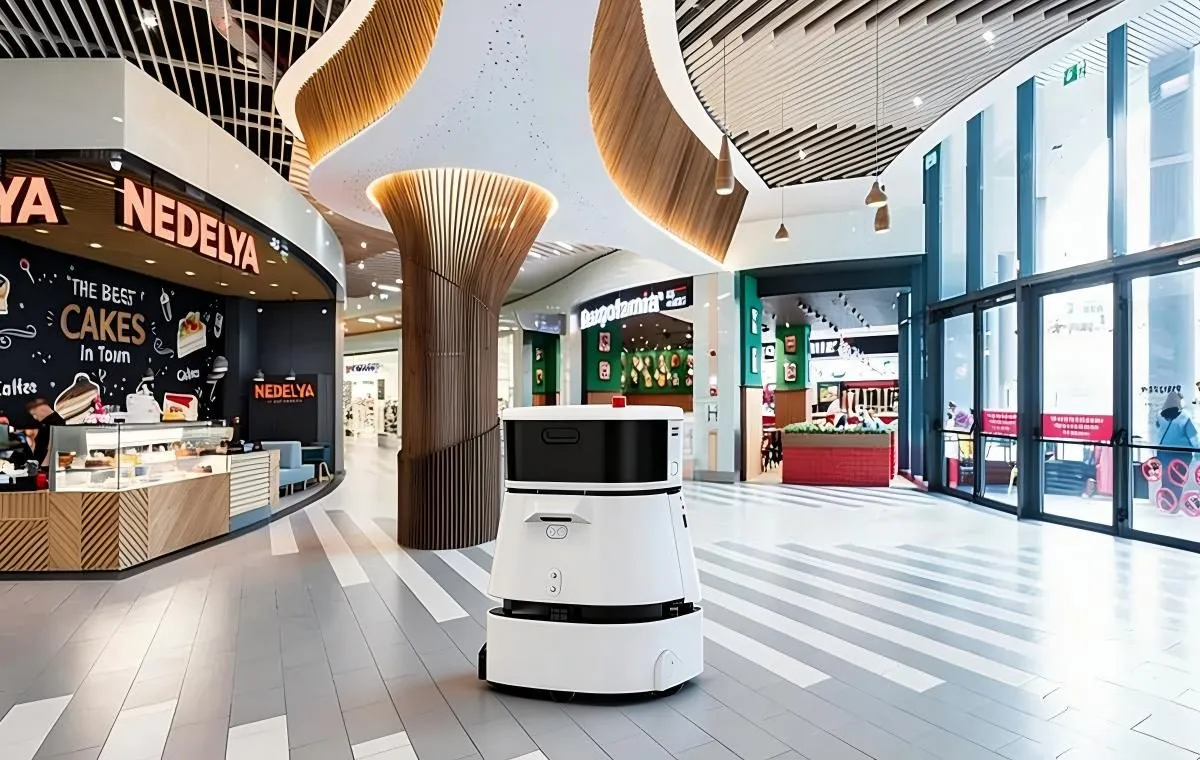
Service Robot Budget Planning 2026: Real Cost Calculator by Facility Size and Robot Type
Budget planning for service robots is broken in two directions: vendors lowball the upfront numbers by omitting integration, training, and facility modification costs, while internal procurement teams overestimate by treating robots as capital equipment rather than as labor-substitution assets with definable unit economics. This guide provides actual cost ranges, a budget-planning template by facility size, and the line items that separate a realistic budget from a vendor quote.
Service Robot Failure Modes & Business Continuity: Downtime Planning for Autonomous Operations
Service robots fail — not frequently, but predictably. A delivery robot that encounters a closed fire door at 2 AM, a cleaning robot that runs out of solution mid-cycle, a reception robot whose LIDAR is occluded by a potted plant moved by facilities — these are not defects, they are operational realities that every deployment must plan for. This guide catalogs the 12 most common service robot failure modes, maps their operational impact by facility type, and provides the business continuity framework that separates a 15-minute inconvenience from a 4-hour operational disruption.
Service Robot Pilot Program: A 30-60-90 Day Deployment Roadmap for Facility Managers
Every service robot deployment begins with a pilot — and most pilots fail not because the technology doesn't work, but because the pilot was designed to validate a purchase decision rather than stress-test an operational integration. This guide provides a structured 30-60-90 day roadmap for facility managers and procurement directors to design, execute, and evaluate a service robot pilot that delivers actionable data — not a vendor-managed demo that confirms what you already wanted to believe.
How to Write a Service Robot RFP — Procurement Template for Facility Managers
A service robot RFP that fails to specify environmental constraints, integration requirements, and performance guarantees produces vendor responses that are technically compliant but operationally useless. Most facility managers have never purchased autonomous robots before — the procurement playbook they use for HVAC or janitorial services does not translate. This guide provides a section-by-section RFP template with the questions that separate capable vendors from those who will go dark after installation, based on lessons from 50+ enterprise robot deployments across hospitality, healthcare, retail, and corporate campuses.
Service Robots for Industrial Laundries & Linen Services — Automating the $78 Billion Global Textile Rental Industry
The global industrial laundry and textile rental market — valued at $78 billion in 2025 and serving 3.2 million commercial customers across healthcare (42% of revenue), hospitality (31%), manufacturing (14%), and food processing (8%) — operates on margins of 6-9% in a business where the three largest cost centers are labor (38-42% of revenue), energy (12-15%), and linen replacement (8-10%). A typical mid-size industrial laundry processes 18-25 million pounds of linen annually across a 60,000-120,000 sq ft plant, moving soiled linen from receiving dock through sorting, washing, drying, ironing, folding, and packing to clean-linen dispatch — a 300-500-foot linear workflow where 65-80 workers perform repetitive material-handling tasks in an environment where ambient temperatures reach 35-42°C, humidity exceeds 70%, and airborne lint particulate requires continuous respiratory protection. Autonomous service robots — CADEBOT L100 delivery robots transporting 180-lb soiled-linen carts from receiving to sorting stations on a continuous loop, CLEINBOT CC201 outdoor units adapted for plant-floor cleaning of lint-covered concrete surfaces, and CLEINBOT C2 Pro units maintaining administrative and clean-pack areas — enable laundry operators to automate the highest-turnover, highest-injury-rate material-handling positions while improving throughput consistency. This guide covers deployment models for independent laundry operators, healthcare central laundry facilities, hotel-chain central laundries (Marriott, Hilton, Accor), and textile rental conglomerates like Alsco, Cintas, and Elis.
Service Robots for Parking Garages & Underground Facilities — Navigation, Cleaning, and Security in GPS-Denied Environments
Parking garages and underground facilities — from 500-space hospital parking structures to 2-million-sq-ft underground logistics centers — present an operational challenge that conventional autonomous robots are not designed to solve: GPS-denied navigation in environments with poor ventilation, concrete-induced Wi-Fi signal degradation, 6-8% grade ramps, and continuous vehicle traffic. Autonomous robots equipped with LIDAR-SLAM navigation, industrial-grade air filtration, and ramp-capable drive systems — indoor cleaning robots for continuous dust and tire-residue removal on parking decks, and delivery robots for underground logistics transport between loading docks and storage zones — can operate in these conditions where GPS-dependent and consumer-grade platforms fail. This guide covers deployment models for hospital parking structures, airport rental-car facilities, underground retail-service corridors, and mixed-use commercial parking.
Service Robots for Rehabilitation Centers & Physical Therapy Clinics — Patient-Centered Automation
Outpatient rehabilitation facilities — physical therapy clinics, sports medicine centers, occupational therapy practices, and post-acute rehab hospitals — treat 40-80 patients per day across multiple treatment bays, gym floors, and modality rooms. Autonomous floor cleaning robots, UV-C disinfection platforms, and delivery robots for linen/equipment/supply logistics are reducing non-clinical labor by 50-65% while improving infection control scores and patient experience ratings. This guide covers deployment strategies for single-location PT clinics, multi-site rehab networks, and hospital-based outpatient rehab departments, with ROI data from a 20-therapist sports medicine center.
Service Robots for Residential & Apartment Complexes — Package Delivery, Cleaning, and Security Automation for Multi-Tenant Buildings
Multi-tenant residential buildings — from 200-unit apartment complexes to 800-unit luxury high-rises — face three operational cost centers that scale with occupant count: package management (1.8 packages per unit per week in 2026, requiring 12-18 staff hours weekly for a 300-unit building), common-area cleaning (hallways, lobbies, gyms, lounges totaling 40,000-80,000 sq ft of daily-maintained surface), and after-hours security presence (a $60,000-90,000 annual line item for overnight concierge or patrol staffing). Autonomous service robots — delivery robots for package transport from mailroom to unit doors, indoor cleaning robots for continuous common-area maintenance, and reception robots for visitor management and after-hours lobby coverage — enable property managers to convert variable labor costs into fixed technology costs while improving service consistency across shifts.
Service Robots for Ski Resorts & Mountain Lodges — High-Altitude Automation for Seasonal Peak Operations
Ski resorts and mountain lodges — there are over 5,000 ski areas globally, from 50-acre regional hills to 5,500-acre destination resorts like Whistler Blackcomb hosting 2.5 million annual skier visits — face a unique operational rhythm: 120-150 operating days per winter season, during which 75% of annual revenue is generated within 18 weekends, compressing labor demand into extreme peaks that strain local housing markets in mountain towns where seasonal worker availability has declined 28% since 2019. Autonomous service robots — CLEINBOT CC201 outdoor units adapted for cold-weather pathway maintenance on snow-cleared plaza surfaces at -15°C, CLEINBOT C2 Pro indoor units maintaining lodge lobby floors caked with calcium chloride residue from boot traffic, CADEBOT L100 delivery robots transporting ski rental equipment and room-service orders between base-area buildings on pre-mapped routes, and CRUZR humanoid concierge robots providing multilingual guest check-in and mountain-condition updates at 2,500-guest-per-hour peak arrival windows — enable resort operators to maintain service quality during peak demand while reducing dependence on the seasonal labor pool that has become the alpine hospitality industry's most constrained resource. This guide covers deployment models for destination resorts, regional ski hills, mountain hotel properties, and multi-resort operators like Vail Resorts (41 resorts) and Alterra Mountain Company (17 resorts).
Service Robots for Veterinary Clinics & Animal Hospitals — Automation Beyond the Exam Room
Veterinary practices face the same operational pressures as human healthcare — staffing shortages, infection control mandates, and rising client expectations — but with a unique twist: animals shed fur, dander, and pathogens continuously throughout the facility. Autonomous floor cleaning robots (CLEINBOT M79), UV-C disinfection platforms, and delivery robots (CADEBOT L100) are transforming animal hospital operations. This guide covers deployment strategies for multi-exam-room practices, 24-hour emergency hospitals, and university veterinary teaching facilities, with ROI data from a 12-doctor practice that reduced cleaning labor by 62% and HAIs by 41%.
Service Robots for Zoos, Aquariums & Wildlife Parks — Automated Operations Across Indoor Exhibits and 200-Acre Outdoor Habitats
Zoos, aquariums, and wildlife parks — there are over 10,000 accredited zoological institutions globally, ranging from 15-acre urban zoos to 200-acre safari parks hosting 2.5 million annual visitors — face a unique dual operational challenge: indoor exhibit spaces (reptile houses, aquarium galleries, tropical pavilions) require continuous climate-controlled cleaning to maintain humidity and temperature targets within ±1.5°C, while outdoor pathways, picnic areas, and parking facilities span up to 120 acres of paved surface exposed to animal waste, leaf litter, and seasonal weather. Autonomous service robots — CLEINBOT C2 Pro indoor floor cleaners maintaining humidity-sensitive reptile house flooring at 78% RH without disrupting basking animals, CLEINBOT CC201 outdoor scrubbers handling 45,000 sq ft of visitor pathway per cycle across elephant and giraffe exhibit perimeters, CADEBOT L100 delivery robots transporting educational materials and first-aid supplies between keeper stations, and CRUZR humanoid robots providing multilingual wayfinding and exhibit information at entrance plazas — enable zoological institutions to maintain AZA and EAZA accreditation standards for cleanliness and animal welfare while reducing the seasonal labor costs that spike 40% during summer peak attendance months. This guide covers deployment models for municipal zoos, private safari parks, major public aquariums, and combined zoo-aquarium complexes managing both indoor and outdoor environments.
Service Robots for Automotive Dealerships — Showroom Experience & Facility Management at Scale
Automotive dealerships operate in a paradox: they sell the most technologically advanced consumer products on the market, yet the showroom experience itself often relies on processes unchanged since the 1990s — a receptionist with a paper appointment log, a sales floor cleaned by a nightly janitorial crew, and a customer waiting area that competitors can replicate with identical furniture and coffee machines. Autonomous service robots — humanoid concierges for showroom reception and vehicle feature demonstration, and autonomous floor scrubbers for 15,000-50,000 sq ft showroom and service bay maintenance — offer dealership groups a way to differentiate the customer experience while reducing operational overhead. This guide covers deployment models for single-point dealerships, multi-franchise groups with 5-40 rooftops, and high-line luxury showrooms where the experience standard is set by brands like Lexus, Mercedes-Benz, and Porsche.
Service Robots for Banks & Financial Institutions — Autonomous Operations for the Branch of Tomorrow
Bank branches face a dual mandate: reduce operational costs by 30-40% while simultaneously improving the in-branch customer experience to compete with digital-first neobanks. Autonomous service robots — humanoid concierges for lobby reception, autonomous floor scrubbers for 3,000-15,000 sq ft branch maintenance, and delivery robots for back-office document logistics — offer financial institutions a deployable path to the 'branch of tomorrow' without the $2-5M per-location renovation budgets that traditional branch transformation projects require. This guide covers deployment models, compliance considerations, and ROI frameworks for retail banks, credit unions, and wealth management offices.
Service Robots for Casinos & Integrated Resorts — 24/7 Premium Operations for Gaming & Hospitality
Casinos and integrated resorts — there are approximately 4,500 commercial casinos and integrated resort properties globally, with the Las Vegas Strip alone operating 150,000 hotel rooms across 30 major properties — face an operational model unlike any other commercial facility: 24/7/365 continuous operation, no 'closed' hours for maintenance and cleaning, a customer experience standard calibrated to luxury hospitality, and a workforce that must sustain peak-service quality at 4 AM on a Tuesday with the same consistency as 9 PM on a Saturday. Autonomous service robots — humanoid concierge robots for VIP guest reception and loyalty-program check-in, indoor cleaning robots for gaming floor continuous maintenance, and delivery robots for in-room dining and back-of-house logistics — enable integrated resort operators to maintain luxury service standards during the lowest-staffed shift windows while reducing the labor costs that consume 35-42% of casino operating expenses. This guide covers deployment models for Las Vegas Strip mega-resorts, regional casino properties with 500-2,000 hotel rooms, and the emerging integrated resort markets in Asia and the Middle East.
Service Robots for Cinemas & Movie Theaters — Autonomous Operations for the Modern Entertainment Venue
Movie theater operators face a structural profitability challenge: the average multiplex generates 62% of revenue from concessions and only 38% from ticket sales, yet staffing costs — concentrated in concession counters, usher teams, and overnight cleaning crews — consume 28-34% of operating revenue. Autonomous service robots — delivery platforms for contactless concession-to-seat food service, cleaning robots for continuous auditorium and lobby maintenance between screenings, and reception robots for wayfinding and showtime assistance — enable cinema operators to reduce per-screen staffing costs while simultaneously improving the guest experience metrics (concession revenue per patron, cleanliness scores, Net Promoter Score) that determine whether a multiplex survives in an era of $30 day-and-date streaming releases. This guide covers deployment models, integration with existing cinema management systems, and ROI frameworks for multiplex chains, independent theaters, and entertainment complexes.
Service Robots for Cold Chain & Cold Storage — Autonomous Operations at Sub-Zero Temperatures
Cold storage facilities operate at -18°C to -25°C, environments where human workers face strict 20-30 minute exposure limits and turnover rates exceeding 45% annually. Autonomous service robots — delivery platforms for palletized goods movement in freezer aisles, cleaning robots for ice-free floor maintenance, and security patrol units for around-the-clock facility monitoring — enable cold chain operators to maintain throughput during labor shortages while eliminating the safety risks and productivity losses inherent in human work at sub-zero temperatures. This guide examines deployment models, environmental hardening requirements, and ROI calculations for frozen food warehouses, pharmaceutical cold chain facilities, and temperature-controlled logistics centers.
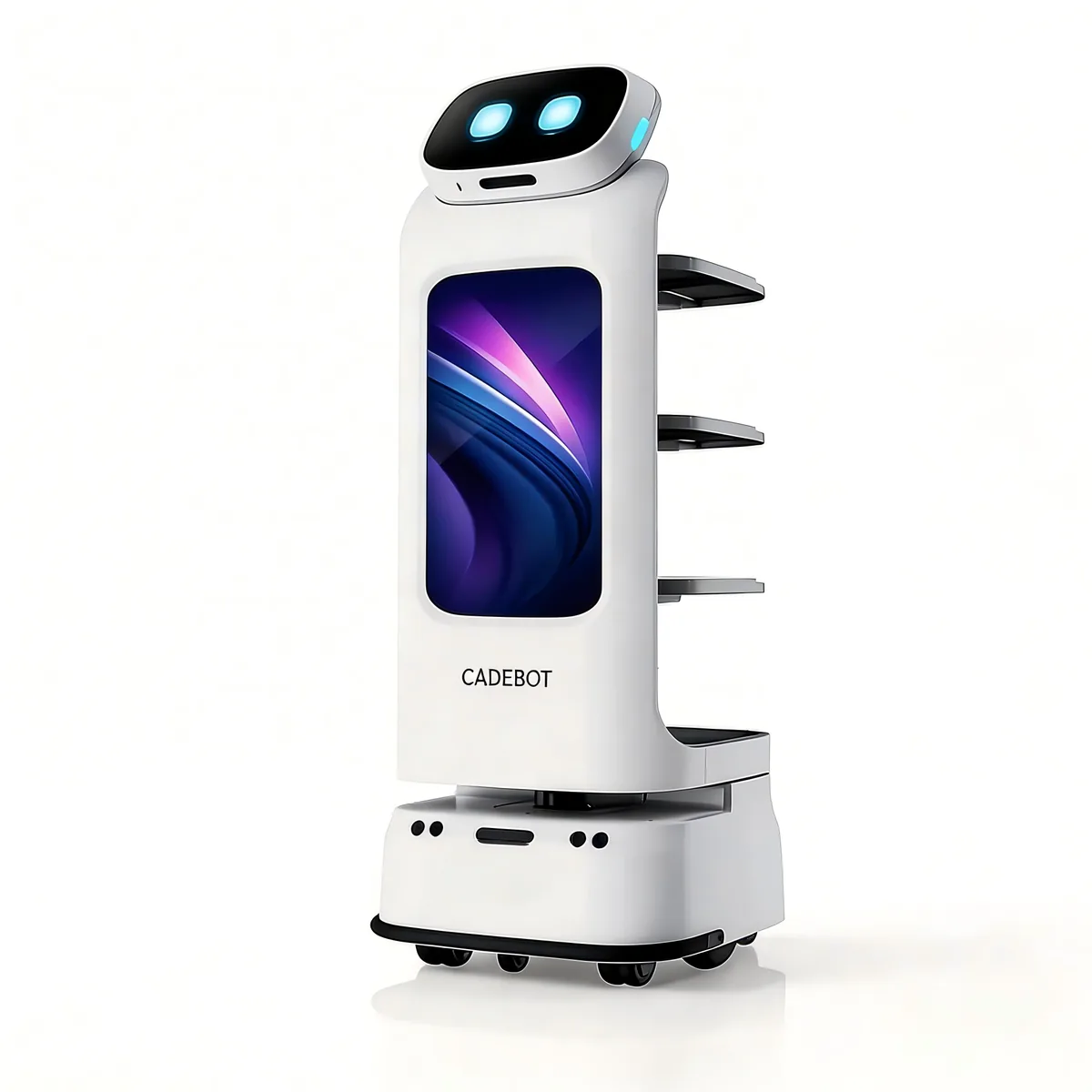
Service Robots for Courier & Express Logistics Hubs — Automation Guide for 2026
How courier and express logistics companies deploy autonomous robots in sorting centers, cross-docking facilities, and last-mile hubs. Covers CADEBOT L100 parcel transport performance, CLEINBOT CC201 facility cleaning in 24/7 operations, multi-robot fleet orchestration, conveyor system integration, and 12-month ROI data for logistics operators evaluating hub automation.
Service Robots for Coworking Spaces & Flexible Offices — Automated Operations for the Shared Workplace
Coworking operators face a margin paradox: occupancy rates have recovered to 78-85% post-pandemic, but the cost of delivering the hospitality-caliber experience that members now expect — continuous cleaning, on-demand space reconfiguration, and 24/7 operational support — has pushed operating margins to single digits for all but the largest operators. Autonomous service robots — cleaning platforms for continuous floor and surface maintenance, delivery robots for intra-space logistics (mail, packages, catering), and reception robots for member check-in and space navigation — enable coworking operators to deliver a consistent high-touch experience across 12-18 operating hours without proportionally scaling the staffing model. This guide covers deployment models, integration with coworking management platforms, and ROI frameworks for WeWork-style enterprise spaces, neighborhood coworking hubs, and hybrid corporate flexible-office deployments.
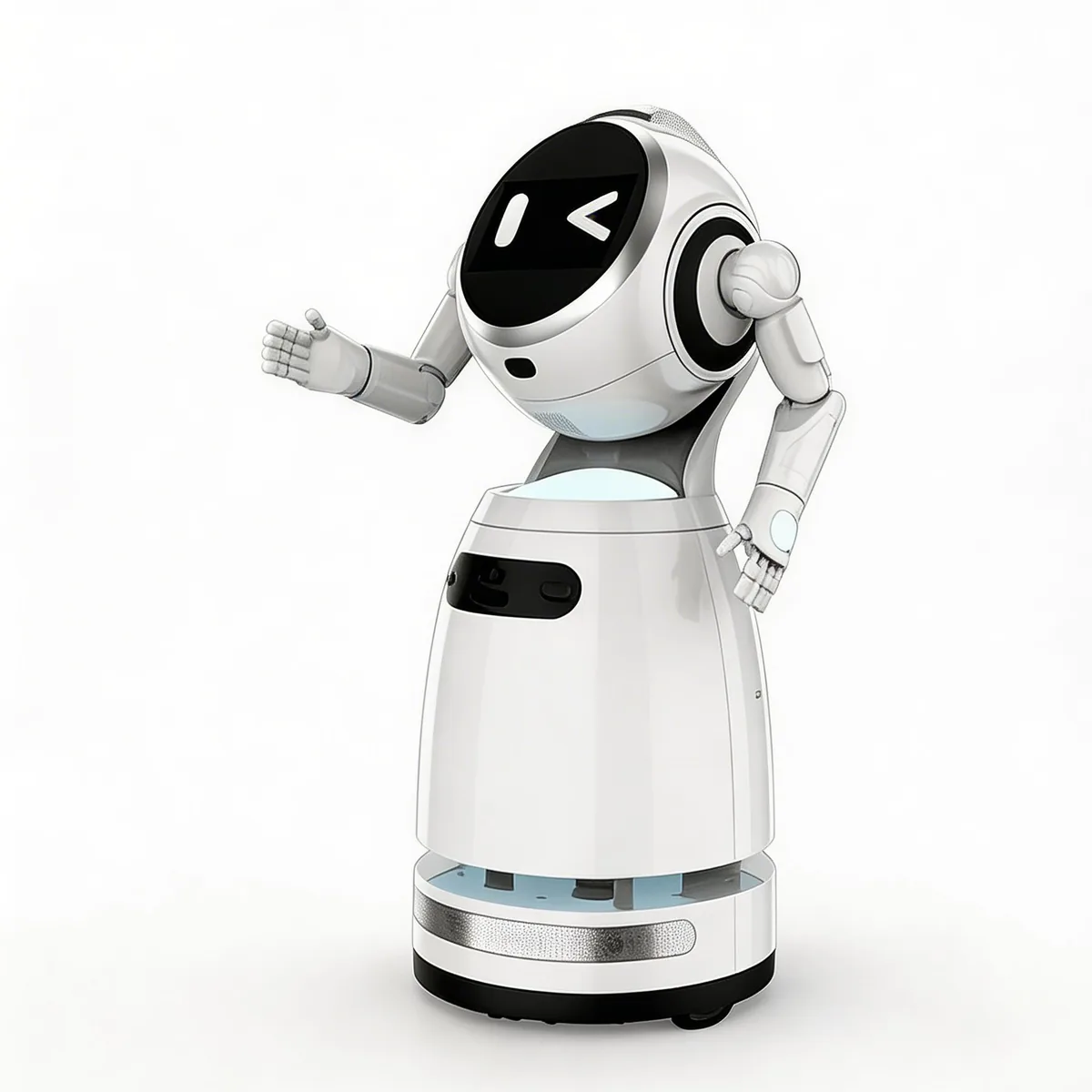
Service Robots for Cruise Ships — Maritime Automation Guide for 2026
How cruise lines deploy autonomous service robots for cabin delivery, deck cleaning, and guest concierge services. Covers maritime-specific deployment challenges — saltwater corrosion resistance, SOLAS compliance, multi-deck navigation — with real operational data and ROI models for cruise operators, port authorities, and maritime facility managers evaluating shipboard automation.
Service Robots for Data Centers — 24/7 Environmental Monitoring, Security Patrol & Asset Tracking
Data center operators managing facilities from 5,000 to 500,000 square feet face a monitoring problem that static sensors and human patrols cannot fully solve: environmental dead zones between sensor grids, security gaps during shift changes, and asset inventory drift that accumulates between quarterly audits. Autonomous service robots — equipped with thermal cameras, humidity sensors, RFID readers, and 360° optical cameras — provide continuous, auditable monitoring coverage at a per-rack granularity that fixed infrastructure cannot achieve without prohibitive sensor density. This guide covers deployment architectures, integration with existing DCIM/BMS systems, and the compliance documentation value for SOC 2, ISO 27001, and HIPAA audit trails.
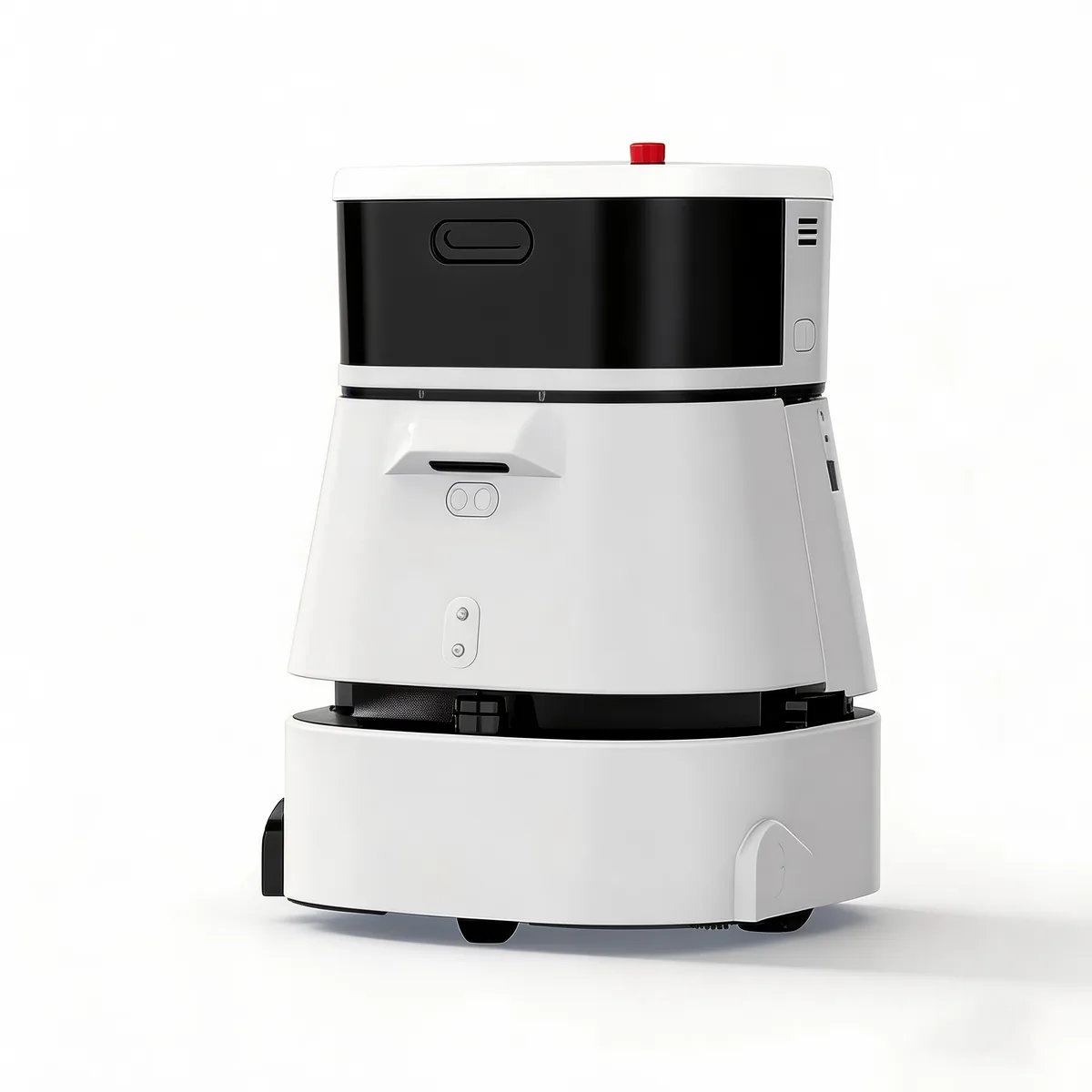
Service Robots for Petrol Stations & Highway Service Areas — Automation Guide 2026
How petrol station chains and highway service area operators deploy service robots for forecourt cleaning, convenience store restocking, and customer service. Covers CLEINBOT CC201 outdoor fuel-spill response, CADEBOT L100 c-store shelf replenishment, CRUZR interactive wayfinding, multi-site fleet management across highway networks, and ROI data for fuel retail operators.
Service Robots for Stadiums & Sports Arenas — Venue Operations at Scale for 60,000-Seat Facilities
Sports stadiums and arenas — there are over 60,000 globally, from 15,000-seat NCAA basketball arenas to 100,000-seat NFL stadiums — operate on a brutal calendar: 80-120 event days per year, each requiring a complete facility reset (cleaning, restocking, security sweep) within a 3-6 hour turnaround window between events, often at 2 AM when human staffing is both expensive and unreliable. Autonomous service robots — outdoor autonomous scrubbers for concourse and parking lot maintenance, indoor floor cleaners for suite-level and club-seat areas, humanoid concierge robots for VIP entrance greeting and wayfinding, and delivery robots for premium-seat food and beverage service — enable stadium operators to compress turnaround times while reducing the variable labor costs that consume 22-28% of event-day operating budgets. This guide covers deployment models for single-venue operators (MLB, NBA, NHL), multi-venue management groups (ASM Global, Oak View Group), and college athletic departments managing football stadiums, basketball arenas, and Olympic sports facilities.
Service Robots for Universities & College Campuses — Campus-Wide Automation for 25,000-Student Institutions
Universities — there are over 25,000 higher education institutions globally, with the average U.S. research university managing 12-18 million square feet of built environment across 400-1,800 acres — face a facilities management dilemma: student expectations for campus experience quality have risen to hospitality-industry levels (24/7 dining, always-clean common areas, instant information access), while state appropriations per full-time student have declined 18% in real terms since 2008. Autonomous service robots — delivery platforms for campus-wide food service and library materials retrieval, indoor cleaning robots for 24/7 student union and classroom maintenance, and humanoid reception robots for administrative building wayfinding and visitor management — enable universities to decouple service quality from staffing headcount. This guide covers deployment models for flagship state universities, private liberal arts colleges, and multi-campus community college systems.
Service Robots for Fitness Centers & Gyms — Autonomous Cleaning Meets the 24/7 Hygiene Challenge
Fitness center operators face a cleaning problem that conventional janitorial staffing cannot solve: 24/7 facility access, sweat-contaminated surfaces across 8+ workout zones, and member expectations that now equate gym cleanliness with brand value. This guide covers how autonomous cleaning robots — scrubber-dryers for locker rooms, UV-equipped units for yoga studios, and wet/dry vacuums for pool decks — reduce cleaning labor by 40-60% while improving member retention scores, with deployment frameworks for single-location gyms, multi-site franchise operators, and luxury health clubs from 5,000 to 50,000 square feet.

Service Robots for Government & Public Sector Facilities — A 2026 Procurement & Compliance Guide | AOMAN FUTURE
Comprehensive procurement guide for government facility managers evaluating service robots in 2026. Covers reception automation for city halls and DMV offices, autonomous cleaning for courthouses and public libraries, security patrol robots for municipal buildings, government-specific RFP compliance requirements, data sovereignty and accessibility standards, and an ROI model comparing manned vs. automated public service operations.
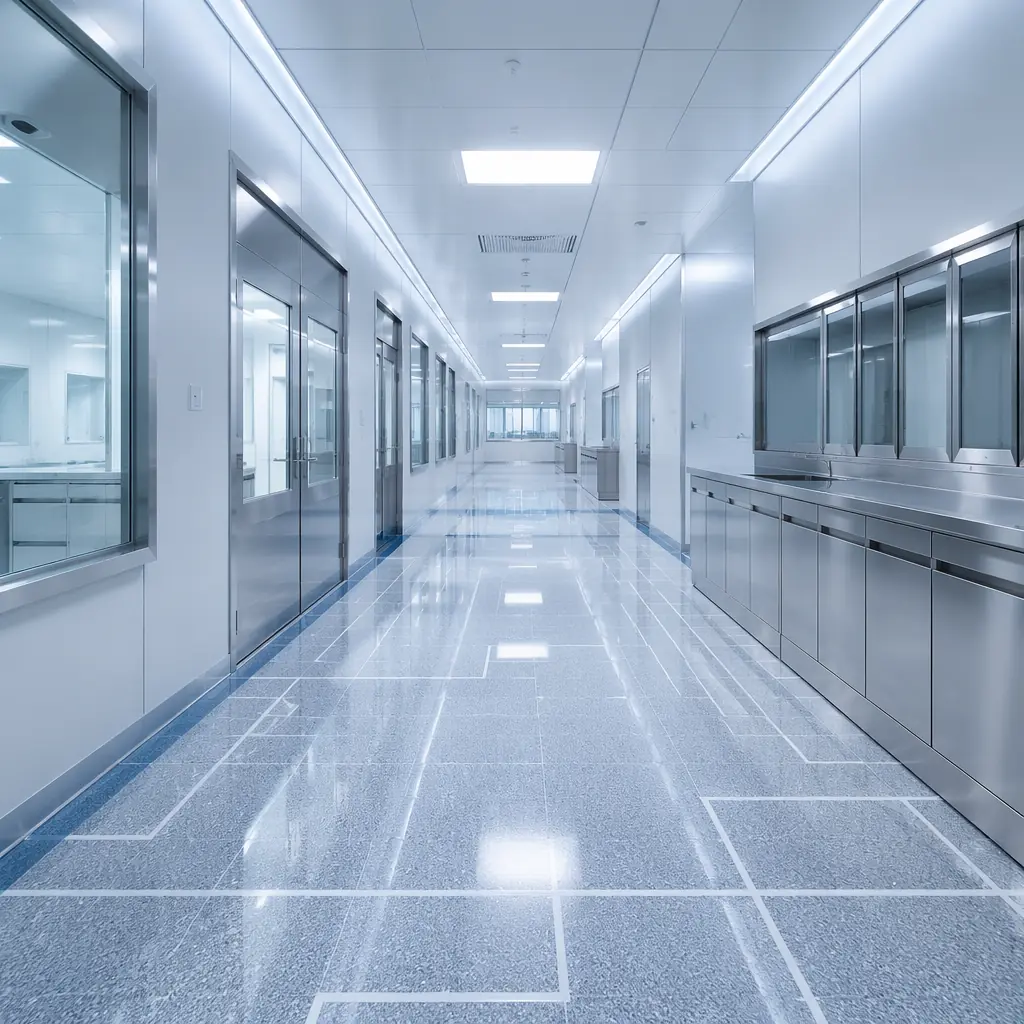
Service Robots for Pharmaceutical GMP Manufacturing — Cleanroom Logistics, Batch Compliance & Serialization
Pharmaceutical GMP manufacturing demands more than cleanroom automation — it requires validated processes, batch record integrity, serialization compliance, and zero cross-contamination risk across multi-product facilities. This guide examines how service robots handle material transport, environmental monitoring, and quality documentation in 21 CFR Part 211 environments, with real deployment data from pharma production floors and a compliance-first implementation framework.
Service Robots for Supermarkets & Grocery Stores — The Complete Store Automation Guide
Supermarkets face unique automation challenges that general retail doesn't: food safety compliance, cold chain integrity, high-frequency floor cleaning, and razor-thin margins. This guide covers the five highest-ROI robot applications for grocery stores, from autonomous shelf scanning to food-safe floor maintenance, curbside delivery, and back-of-house logistics — with a supermarket-specific ROI model and multi-robot deployment architecture for single-store and chain-wide rollout.

Service Robot Vendor Evaluation — 12-Point Framework for Enterprise Procurement
Enterprise procurement teams evaluating service robot vendors face 15+ suppliers with overlapping claims and incompatible evaluation criteria. This framework provides a standardized 12-dimension scoring matrix with weighted criteria, red-flag detection, and an RFP template — built from real enterprise deployment experience across delivery, cleaning, and reception robot categories.

Service Robots for Construction Sites — Safety, Efficiency & ROI for Jobsite Automation
Construction sites face labor shortages, safety incidents, and material handling inefficiencies that cost the industry billions annually. This guide examines how service robots — from autonomous material transport to AI-powered safety patrols and outdoor site cleaning — address these challenges with real operational data, deployment frameworks, and ROI models for general contractors and project managers evaluating jobsite automation.

Service Robots for Events, Trade Shows & Exhibitions — The Complete Guide to Automated Venue Operations
Event organizers and exhibition managers face rising attendee expectations, staffing shortages, and pressure to differentiate. This guide covers how service robots — from AI-powered concierges and autonomous material transport to venue floor maintenance — transform event operations with real deployment data, cost models, and a step-by-step implementation framework for trade shows, conferences, and exhibition venues.
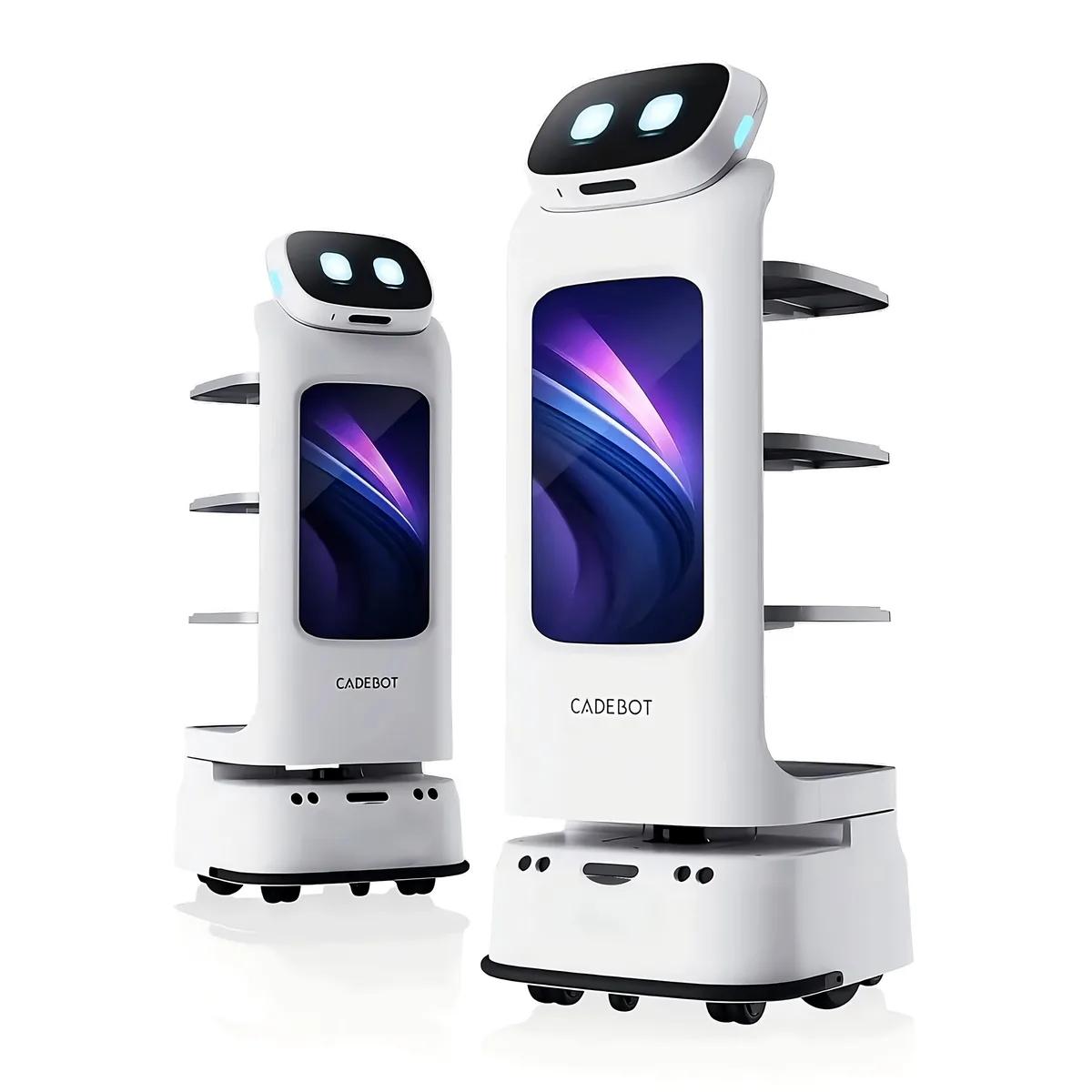
Service Robots for Museums and Cultural Institutions — The 2026 Deployment Guide | AOMAN FUTURE
How museums and cultural institutions are deploying service robots for autonomous floor maintenance, visitor wayfinding, exhibit information delivery, and after-hours security patrol. Covers marble and terrazzo floor care, interactive visitor engagement without replacing human docents, night-shift autonomous monitoring, procurement frameworks for public-sector institutions, and ROI models for museums from 5,000 to 50,000 square meters.

Human-Robot Collaboration: How to Integrate Service Robots Into Your Workforce Without Resistance — A 2026 Change Management Playbook | AOMAN FUTURE
Deploying service robots isn't just a technology decision — it's a workforce transformation challenge. This playbook covers staff communication, training frameworks, KPI realignment, and the change management strategies used across 50,000+ robot deployments to turn employee skepticism into advocacy.
Service Robots for Hotels & Resorts — The 2026 Procurement & Deployment Guide | AOMAN FUTURE
Complete procurement guide for hotel GMs and resort operators evaluating service robots in 2026. Covers room service delivery robots, lobby and guest-floor cleaning automation, AI concierge deployment, pool deck and outdoor area maintenance, PMS integration architecture, multi-robot fleet orchestration, and an ROI model comparing lease vs. purchase across property sizes from 80-room boutiques to 1,200-room luxury resorts.
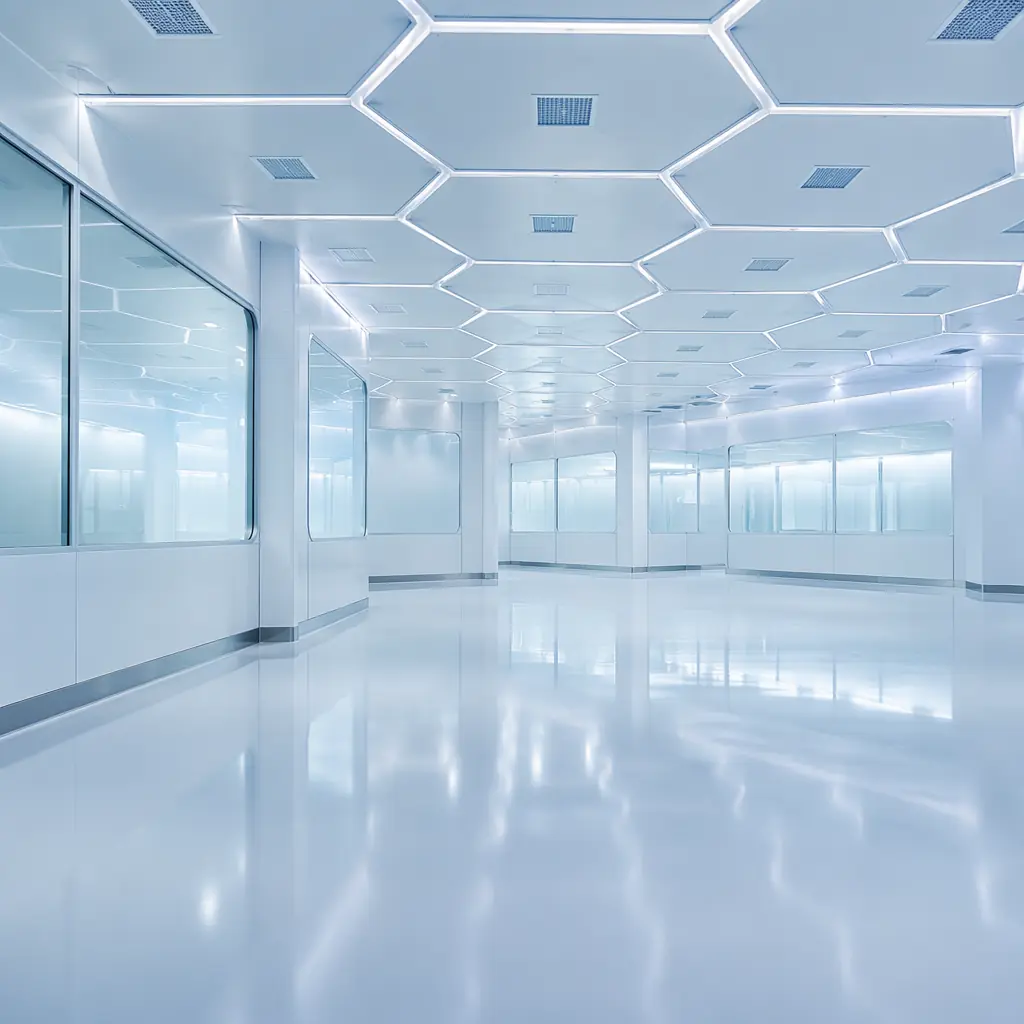
Service Robots for Cleanrooms & Laboratories — GMP-Compliant Automation for Pharma, Biotech & Semiconductor Facilities
Laboratories and cleanrooms present unique automation challenges — ISO 14644 particulate limits, GMP Annex 1 compliance, ESD safety, and 21 CFR Part 11 data integrity. This guide covers how modern service robots handle specimen transport, cleanroom surface maintenance, and lab logistics in GMP Grade B–D and ISO 5–8 environments, with real deployment data from pharma, biotech, and semiconductor facilities.

Multi-Site Service Robot Deployment — A Procurement & Operations Guide for Chains, Franchises & Distributed Facilities
Deploying service robots across multiple locations requires a fundamentally different strategy than single-site pilots. This guide covers fleet standardization, phased rollout frameworks, centralized vs. local management architectures, cross-site ROI modeling, and the 10-point multi-site procurement checklist used by chains and franchises deploying 50+ robots across 20+ locations.
Service Robot RaaS: Buy vs Lease vs Subscribe — The 2026 Procurement Guide | AOMAN FUTURE
Robot-as-a-Service (RaaS) is reshaping how companies acquire service robots. This guide compares capital purchase, operating lease, and subscription models — with real cost scenarios, contract evaluation checklists, and the procurement framework that determines which model delivers the best ROI for your operation.
Service Robots for Entertainment Venues — The Complete Guide to Theme Parks, Museums, Casinos & Cruise Ships in 2026
Comprehensive guide to deploying service robots across entertainment venues including theme parks, museums, casinos, and cruise ships. Covers guest engagement robotics, autonomous food and merchandise delivery, large-scale venue cleaning automation, crowd-dense navigation strategies, and an 8-point procurement framework for entertainment operators evaluating robot deployment in 2026.
Service Robots for Shopping Malls & Retail Complexes — The Complete Guide to Mall Automation in 2026
Comprehensive guide to deploying service robots across shopping malls and large retail complexes. Covers reception and wayfinding robotics, autonomous food court and retail delivery, large-scale floor and common area cleaning, parking structure maintenance, multi-tenant integration strategy, and an ROI framework for mall operators evaluating building-wide robot automation in 2026.
Smart Building Service Robots — The Complete Guide to Office Building & Corporate Campus Automation in 2026
Complete guide to deploying service robots across smart office buildings and corporate campuses. Covers multi-robot fleet orchestration (delivery + cleaning + security + reception), BMS/IoT integration strategies, elevator and access control interoperability, real-world deployment timelines, and a procurement framework for facility managers evaluating building-wide robot automation.
Service Robot Maintenance & Total Cost of Ownership — What Buyers Need to Know Before Signing | AOMAN FUTURE
Service robot maintenance costs can exceed 30% of the purchase price over 5 years. This guide breaks down spare parts, software updates, preventive maintenance schedules, warranty terms, and the TCO framework buyers need to evaluate before signing a purchase order.
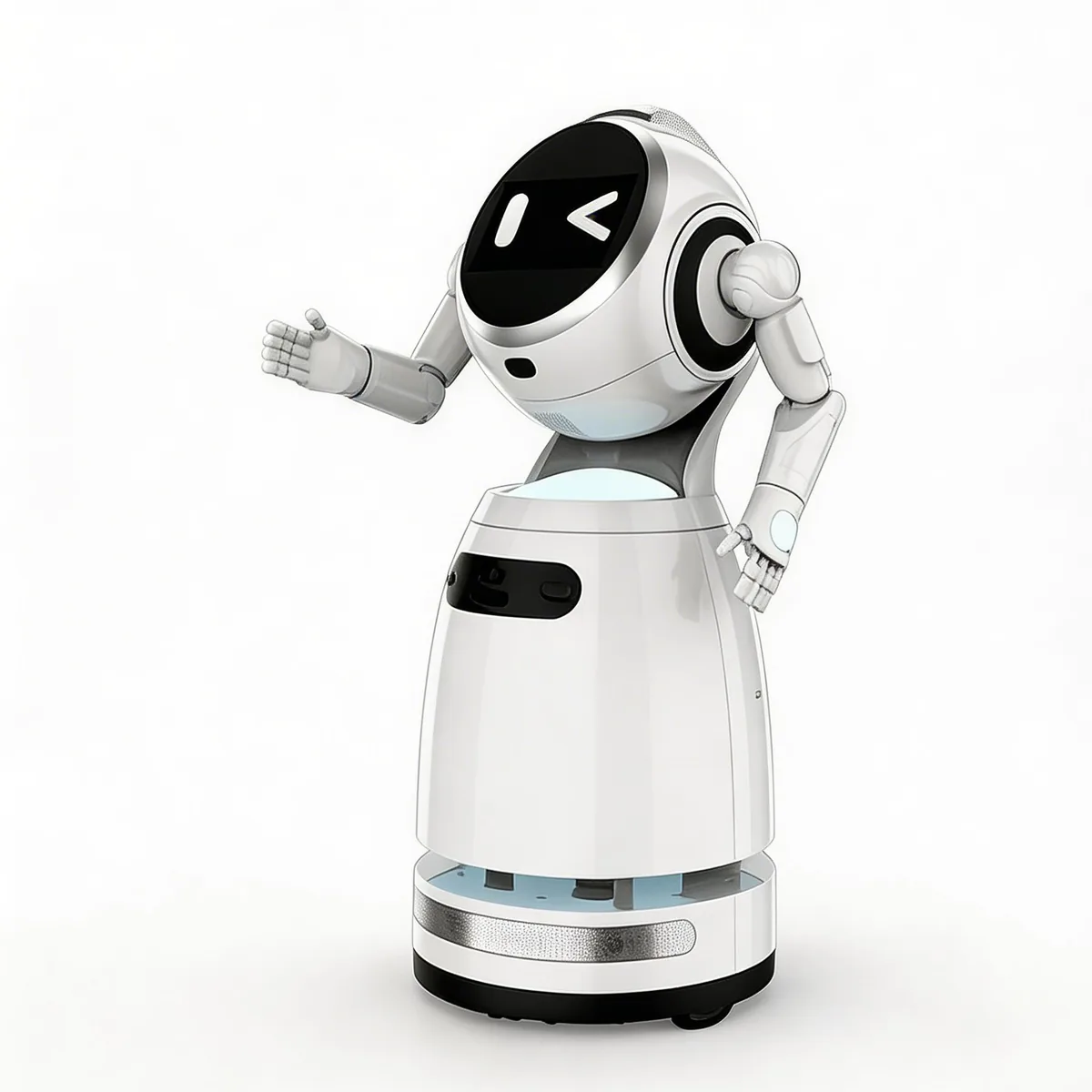
Service Robots in Airports — The Complete Guide to Terminal Automation in 2026
How airports deploy autonomous service robots for cleaning, delivery, and passenger service. Covers CADEBOT L100, CLEINBOT CC201, and CRUZR deployment data, security zone integration requirements, fleet orchestration across multiple terminals, and 12-month ROI benchmarks for airport operations directors evaluating terminal automation.
Service Robots for Restaurants & Food Service — The 2026 Buyer's Guide | AOMAN FUTURE
Restaurant service robots reduce labor costs by 30-50% while improving order accuracy and table turnover. This guide covers delivery robots, reception robots, and the ROI framework restaurant operators need to evaluate automation investments in 2026.
Autonomous Security Patrol Robots — The 2026 Buyer's Guide for Commercial Facilities | AOMAN FUTURE
Complete procurement guide to autonomous security patrol robots for commercial facilities. Covers SLAM-based navigation, thermal anomaly detection, CCTV/VMS integration, 24/7 patrol vs human guard cost comparison, and a 10-point evaluation checklist for security directors and facility managers.
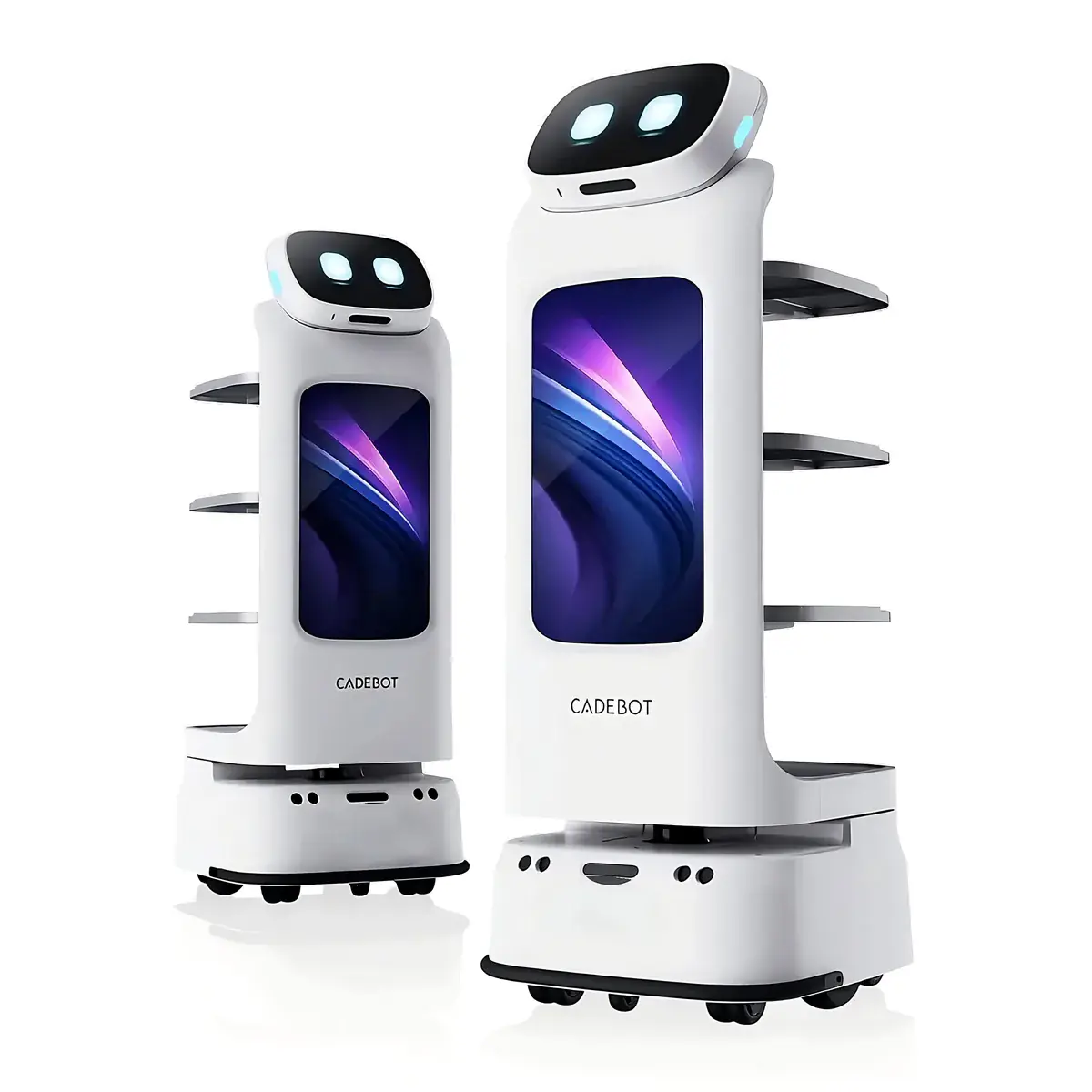
Service Robot Fleet Management Systems — Multi-Robot Orchestration for Warehouses, Hotels & Hospitals in 2026
How operations directors at hotels, hospitals, and warehouses orchestrate 20+ service robots across delivery, cleaning, and reception workflows. Covers fleet management platforms, task scheduling algorithms, multi-vendor integration, and real deployment data from AOMAN FUTURE robot fleets.
Service Robot Safety Standards — ISO 13482, CE, FCC Compliance Guide for Procurement | AOMAN FUTURE
Complete procurement guide to service robot safety certifications: ISO 13482 for personal care robots, CE marking under the EU Machinery Regulation 2023/1230, FCC Part 15 for wireless, UL 3300 for commercial robots, and ANSI/RIA R15.08. How to verify supplier certifications before signing a purchase order.
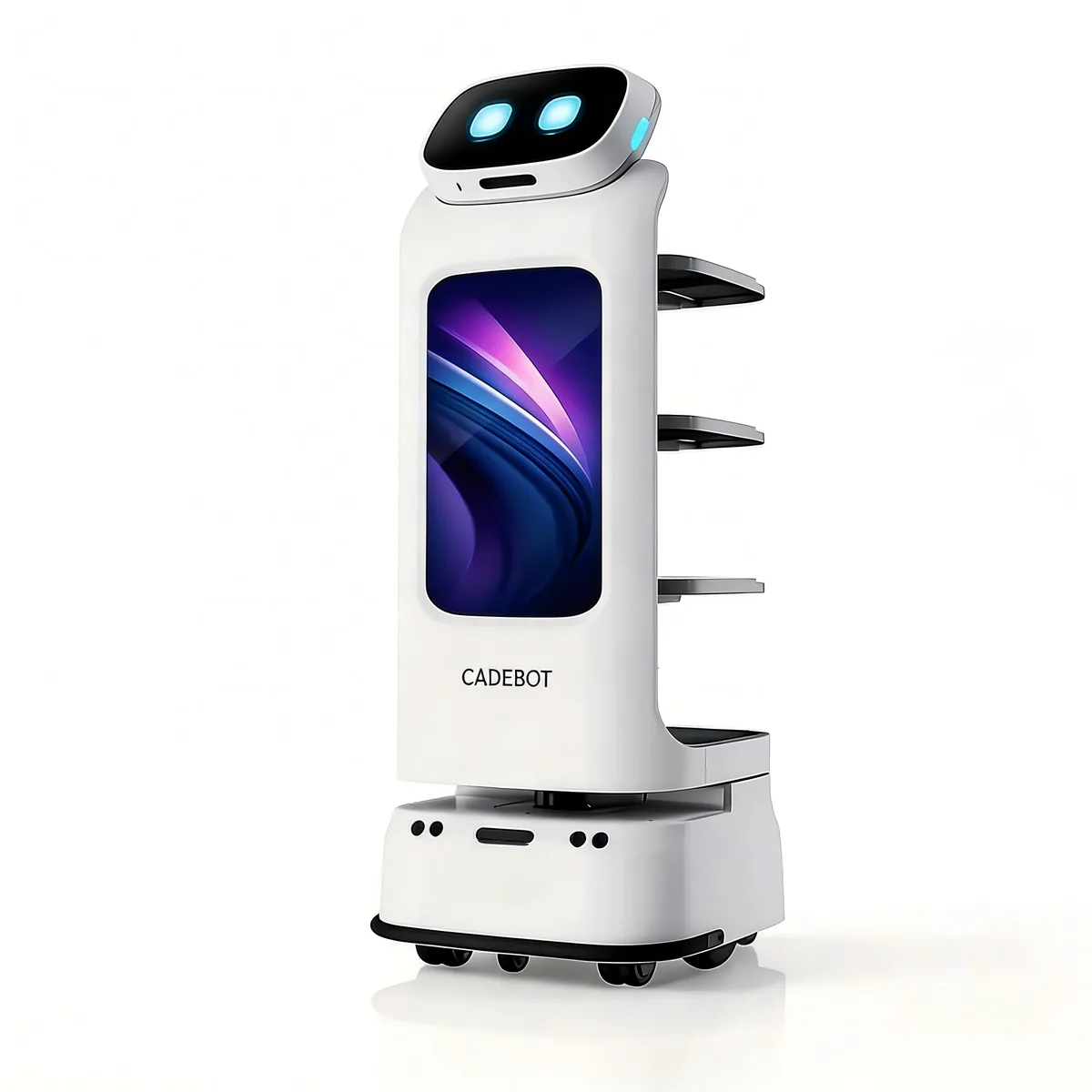
Service Robots in Manufacturing — How AMRs and Cobots Are Reshaping Factory Floors in 2026
A practical guide to deploying service robots in manufacturing facilities — from autonomous material transport and industrial floor maintenance to AI-powered safety inspection. Covers CADEBOT L100, CLEINBOT M79/CC201, and CRUZR deployment data, MES/WMS integration requirements, and ROI benchmarks for plant managers evaluating factory automation.

Service Robots in Senior Living Facilities — Enhancing Care, Safety, and Independence in 2026
How assisted living and memory care facilities use autonomous delivery, cleaning, and concierge robots to address the 41% staff turnover crisis — while improving resident safety, social connection, and operational margins. Practical deployment guidance for senior living operators.
Delivery Robot Selection Guide 2026: Single Cabin vs. Dual Cabin — Which Design Fits Your Operation?
A practical comparison of single-cabin and dual-cabin delivery robots for restaurants, hotels, hospitals, and corporate facilities. Covers payload, space requirements, multi-destination delivery, and total cost of ownership with real product data from the AOMAN FUTURE lineup.
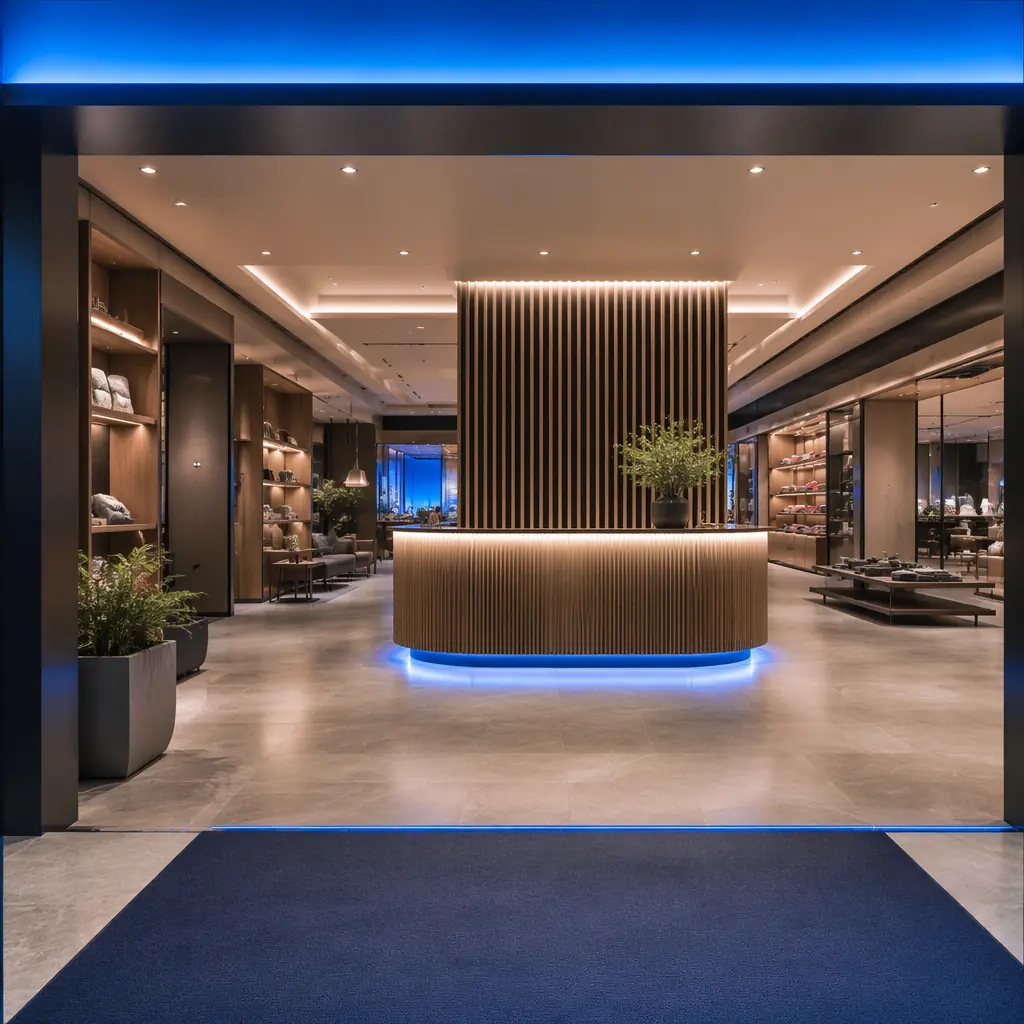
Humanoid Service Robots in Retail: How AI-Powered Receptionists Are Transforming Customer Experience in 2026
A practical guide to deploying humanoid service robots in retail stores, banks, and commercial lobbies — from reception automation to interactive product guidance. Covers CRUZR deployment data, multi-language capabilities, and ROI benchmarks for businesses evaluating AI receptionists.

Outdoor Autonomous Cleaning Robots: How Robotic Sweepers Are Taking Over Parking Lots, Industrial Yards, and Public Spaces in 2026
A comprehensive guide to outdoor autonomous cleaning robots — from parking lot sweepers to industrial yard scrubbers. Covers CLEINBOT CC201 deployment specifications, indoor-vs-outdoor cleaning requirements, all-weather operation, and ROI benchmarks for facility managers considering robotic outdoor maintenance.
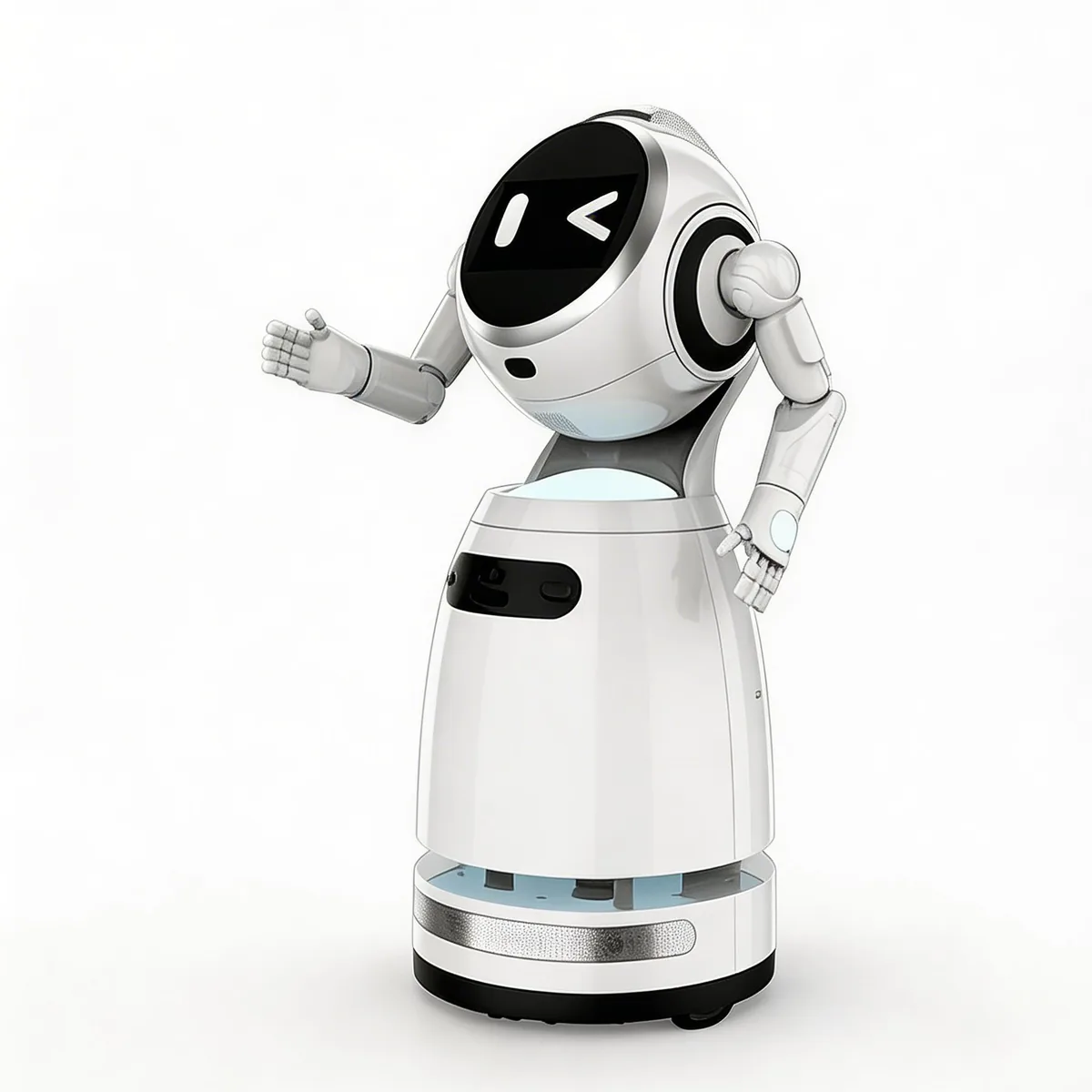
Reception & Concierge Robots for Corporate Lobbies — The 2026 Buyer's Guide
How AI-powered reception robots transform corporate lobby operations — from visitor management and multi-tenant check-in to security integration and after-hours coverage. Covers CRUZR deployment benchmarks, multi-language capabilities, elevator integration, and ROI data for office building operators, facility managers, and corporate real estate teams evaluating lobby automation in 2026.

Service Robots in Education — How AI Assistants Are Transforming Schools & Universities in 2026
A practical guide to deploying service robots in K-12 schools, university campuses, and educational facilities — covering reception automation, campus navigation, library assistance, and facility cleaning. Includes CRUZR deployment data, multi-language education use cases, and ROI analysis for school administrators evaluating AI-powered campus assistants.

Commercial Cleaning Robot Buyer's Guide 2026: Scrubbing vs UV-C vs Multi-Mode — What Your Facility Actually Needs
A procurement manager's guide to commercial cleaning robots in 2026 — comparing scrubbing, UV-C disinfection, and multi-mode machines. Coverage rates, surface compatibility, total cost of ownership, and which technology fits airports, hospitals, malls, and warehouses.
AMRs in Warehousing: How Autonomous Delivery Robots Cut Internal Logistics Costs by 40% in 2026
A practical guide to autonomous mobile robots (AMRs) in warehousing — from picking and sorting to line-side replenishment. Real deployment data, integration requirements, and ROI benchmarks for logistics managers evaluating warehouse automation.
Service Robot ROI: A Procurement Manager's Guide to Automation Investment in 2026
How to calculate the true ROI of service robots — beyond the sticker price. Labor savings, utilization rates, maintenance costs, and the metrics that determine whether automation pays for itself in 12 or 36 months.
How Service Robots Navigate: SLAM, Sensor Fusion, and the AI Stack Behind Autonomous Movement
A deep dive into the navigation technology stack that powers modern service robots — from lidar and depth cameras to SLAM algorithms and edge AI decision-making in dynamic environments.
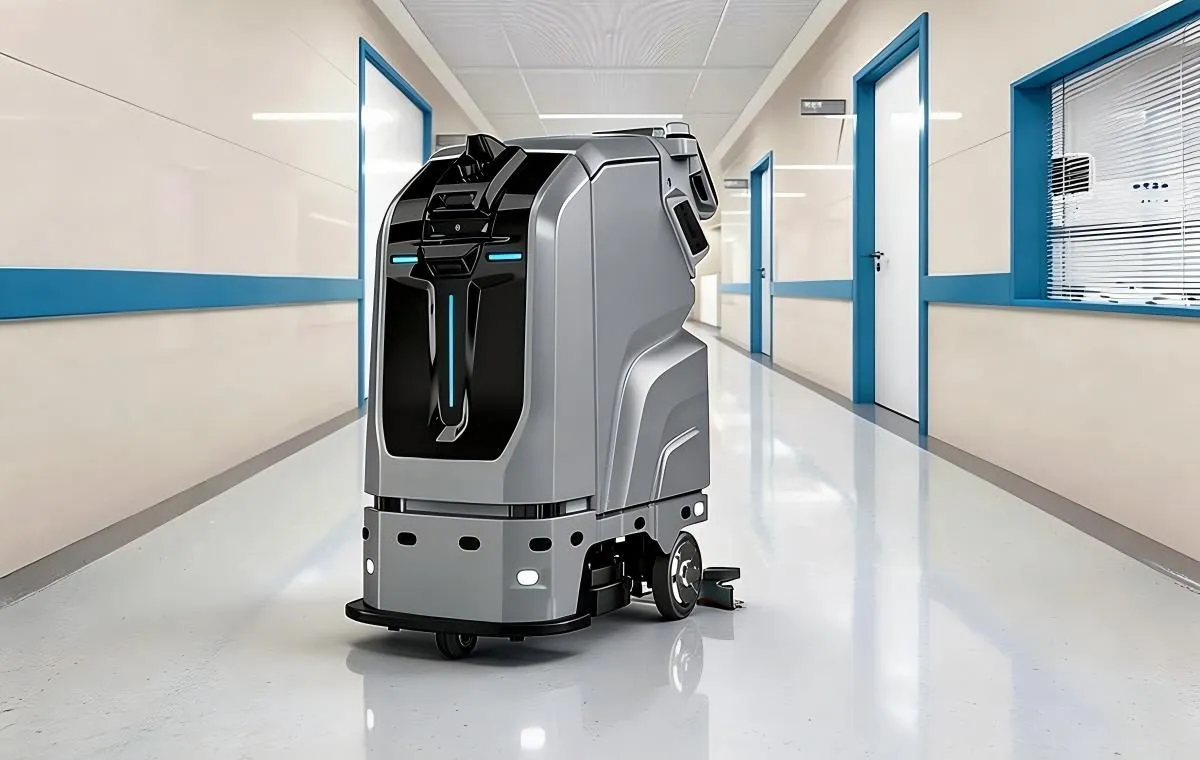
Service Robots in Healthcare: 5 Applications Reducing Staff Workload by 35% in 2026
From autonomous medication delivery to clinical-grade disinfection, healthcare robots are moving beyond pilots into measurable operational impact. Here's what's working today.

How Service Robots Are Transforming the Hospitality Industry in 2026
Discover how delivery robots, cleaning robots, and humanoid service robots are revolutionizing hotels, restaurants, and hospitality venues — reducing costs and improving guest experience.