Technology
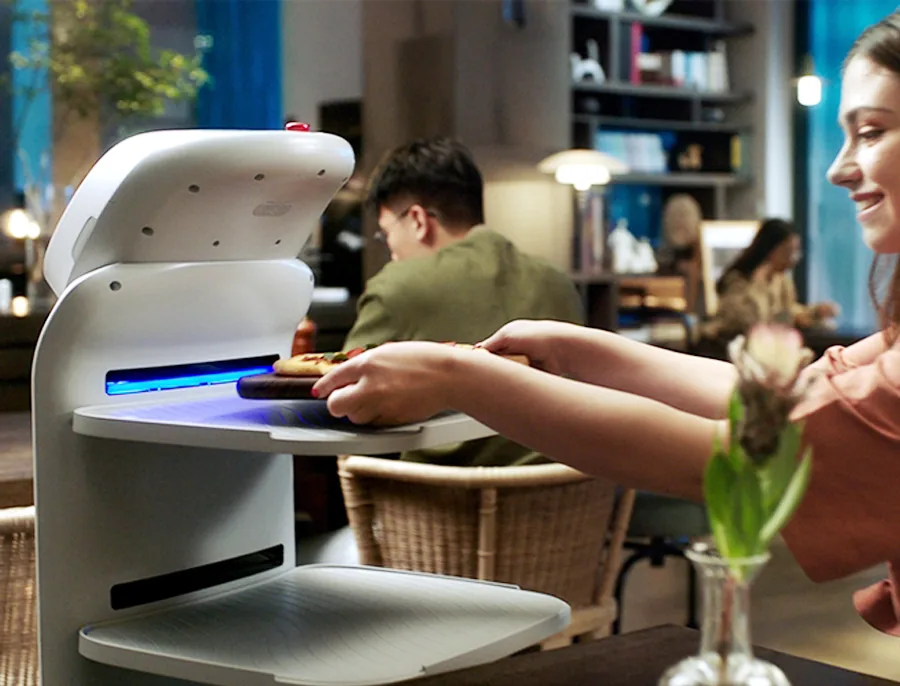
One perception, navigation and support platform under four machines. This is what the robots share.
Computer Vision & Perception
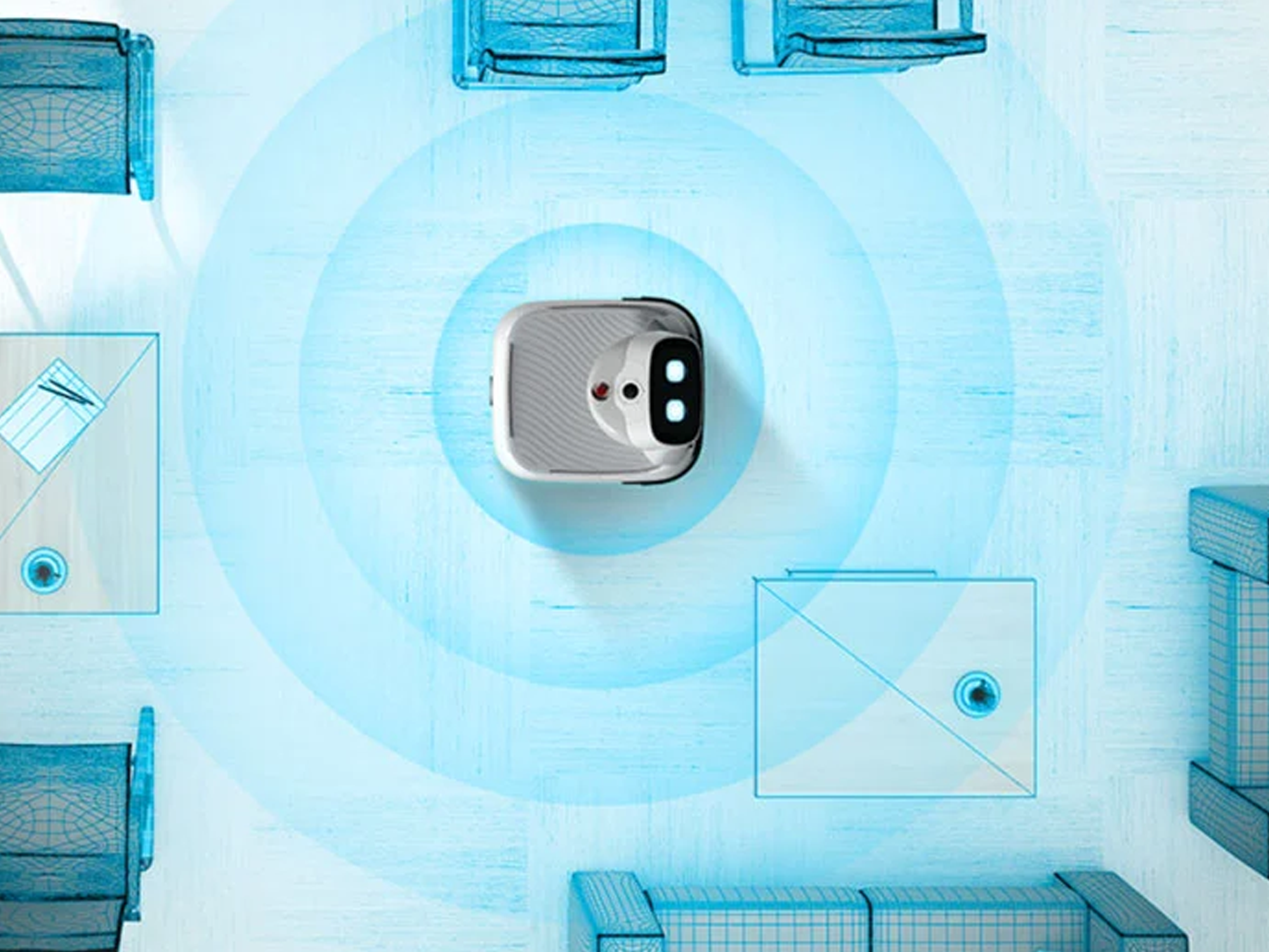
RGBD depth cameras, lidar and ultrasonic layers fuse into one occupancy picture, people, chair legs, glass and 5 cm thresholds, read at up to 30 m.
Read more ›SLAM Navigation
Day-one lidar mapping with route planning that re-plans around crowds and pallets. No beacons, no wall strips, no infrastructure lock-in.
Read more ›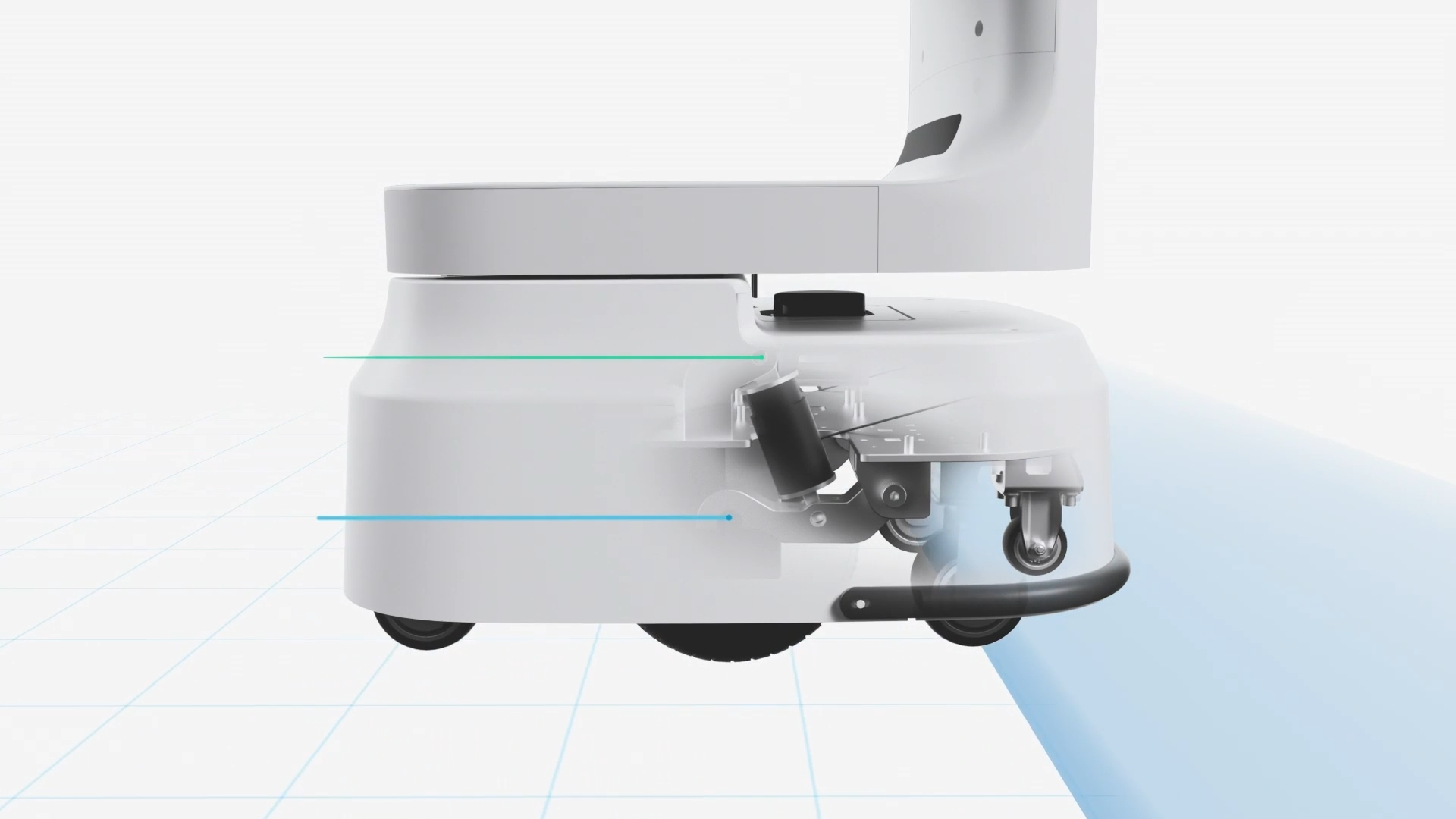
Fleet Support Program
6 quality gates per unit, a 48-hour aging run on every robot, remote diagnostics and spare-parts logistics, the program behind every deployed fleet.
Read more ›The shared platform, in numbers
The same stack ships in every chassis, what one machine learns teaches all four.
30 m
Forward radar range. The scale at which the fleet decides, not reacts.
202° / 55°
Forward / rear radar coverage on D1, overlap where the crowd is.
41.5 m²/min
C1 scrub rate: 2,040 m²/h, 790 mm squeegee, one pass.
70 L + 50 L
C1 twin-tank split, fresh and waste never cross a single connection.
70 cm
C2 Pro body width, under tables, washrooms, 85 cm aisles.
5 m
G1 voice pickup with a 6-mic circular array, out of lobby reverb.
15 DoF
G1 humanoid form, arms that gesture, not just legs that move.
48 h
Aging run on every unit; six quality gates before the box closes.
UN38.3
Battery transport certification on every pack we ship, every batch.
Deployment, not just hardware
The platform arrives with a methodology: map on day one, program by zone, then support for the machine's whole life.
Day-one mapping
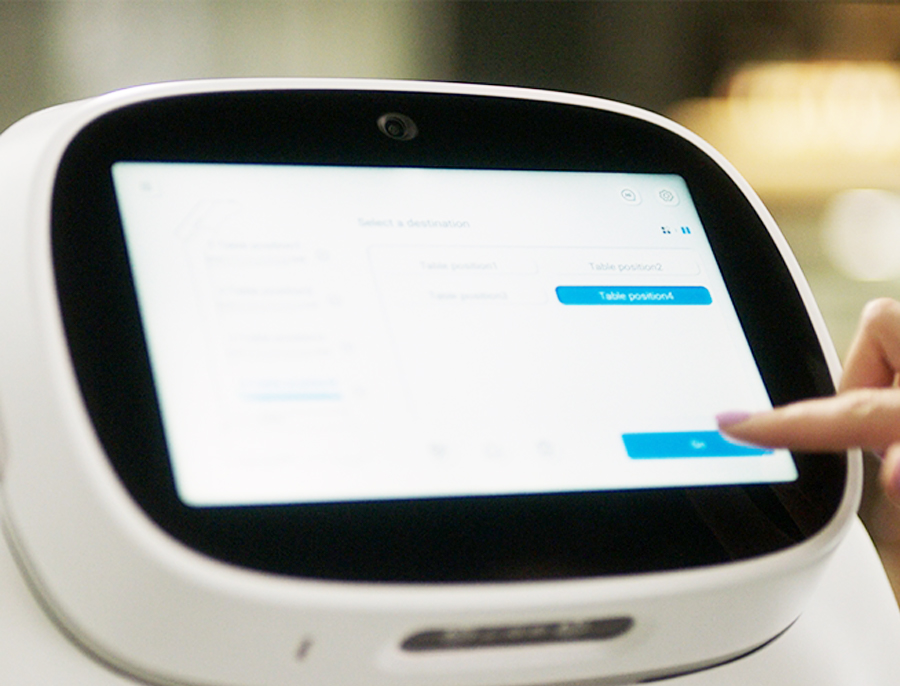
A site maps in one walk-through; operators tag zones and speeds, and the fleet lives on that map. Layout changes are a re-mapping run, not a project.
Zones, speeds, schedules
Multi-stop routes carry speed limits by zone: fast in corridors, minimum speed in crowded dining rooms. Programs run on the site's clock, not the catalogue's.
Fleet console + support
Battery cycles, sensor drift and route anomalies report continuously. Most issues are fixed in software or caught at the next consumable change, before a robot stops mid-shift.
Spec questions?
Engineering questions get engineering answers: usually within 24 hours.