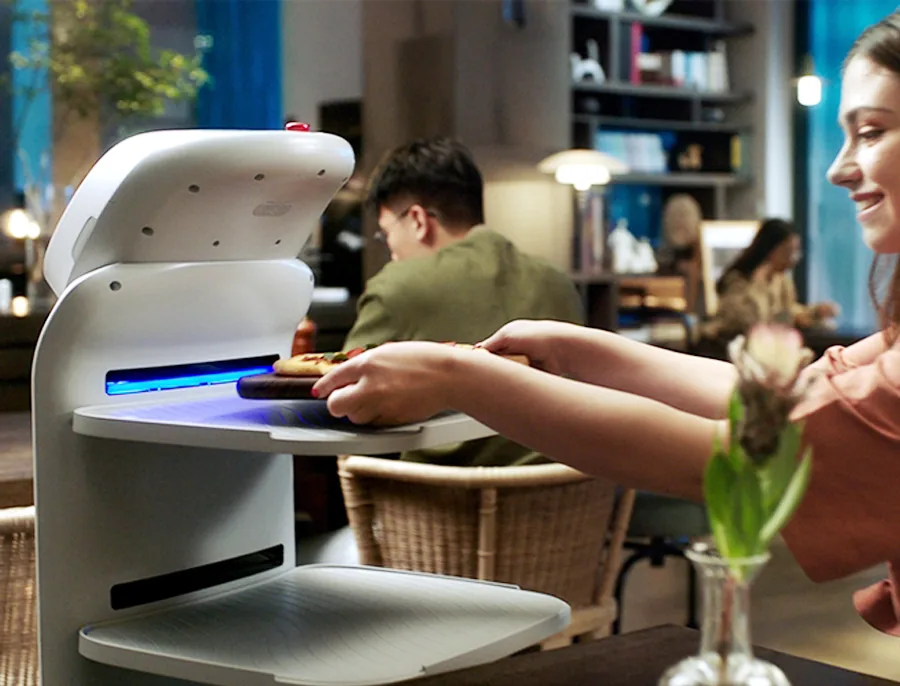
Service Robot Warranty & Service Contract Terms, The Clauses That Decide Your Real Cost
At a glance: The purchase price is the smallest number in a robot contract. Warranty scope, wear-part definition, response-time obligations and parts availability decide the five-year cost. And four of those five clauses are negotiable before signature and effectively fixed after it.
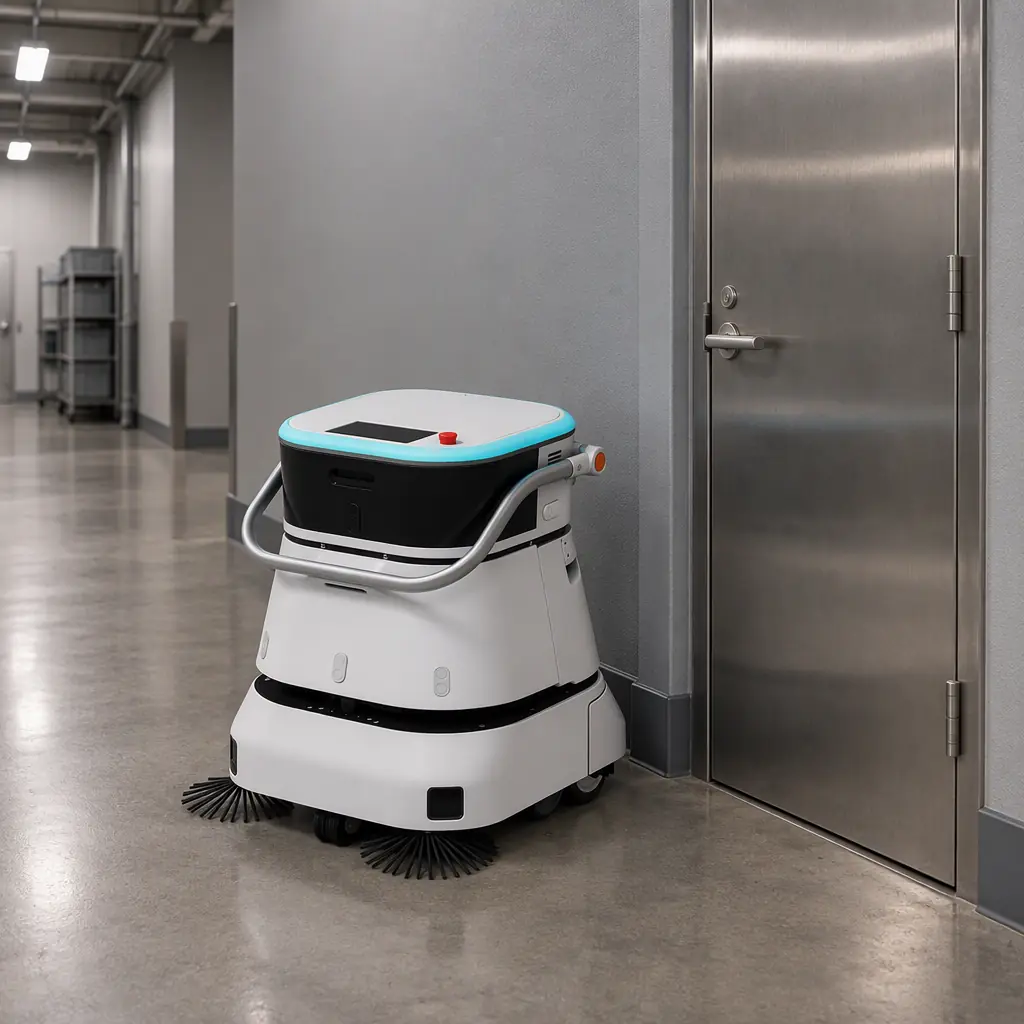
The Number That Is Not on the Quotation
A service robot quotation states a unit price and a warranty period. Neither tells you what the machine will cost to own. The gap between the two is filled by contract language that most buyers skim, and it is where the real five-year bill is set. Four clauses account for most of the variance between a fleet that costs what was budgeted and one that costs half again as much.
This is not an argument against buying imported robots. It is an argument for reading the annexes. A well-constructed warranty from a factory-direct supplier is genuinely protective; the risk is signing a document whose protective language was never technically examined.
Clause 1, What 'Warranty' Actually Covers
Warranty periods are quoted as a duration, but the operative question is the trigger. Three common formulations, in ascending order of buyer protection:
Parts only. The supplier ships a replacement component; labour, diagnosis and shipping are yours. This is the most common formulation in low-cost quotations and it transfers the majority of the cost of a failure to the buyer. On an imported machine, a parts-only warranty can leave you paying more in technician time than the part is worth.
Parts and labour, at the supplier's convenience. The supplier repairs at no charge but retains control over scheduling. Weak in practice, because there is no clock. Define the clock: 'within X business days of a documented fault report'.
Parts, labour and response time. This is the formulation to negotiate for. It names a response window and, ideally, a remedy if the window is missed. Note that 'response' and 'repair' are different commitments. A supplier can meet a 48-hour response obligation by sending an email.
Concretely: insist the contract separates response (acknowledgement and remote diagnosis), on-site attendance where applicable, and return to service. Return to service is the only one that protects your operation.
Clause 2, The Wear-Part Definition Is Where Money Hides
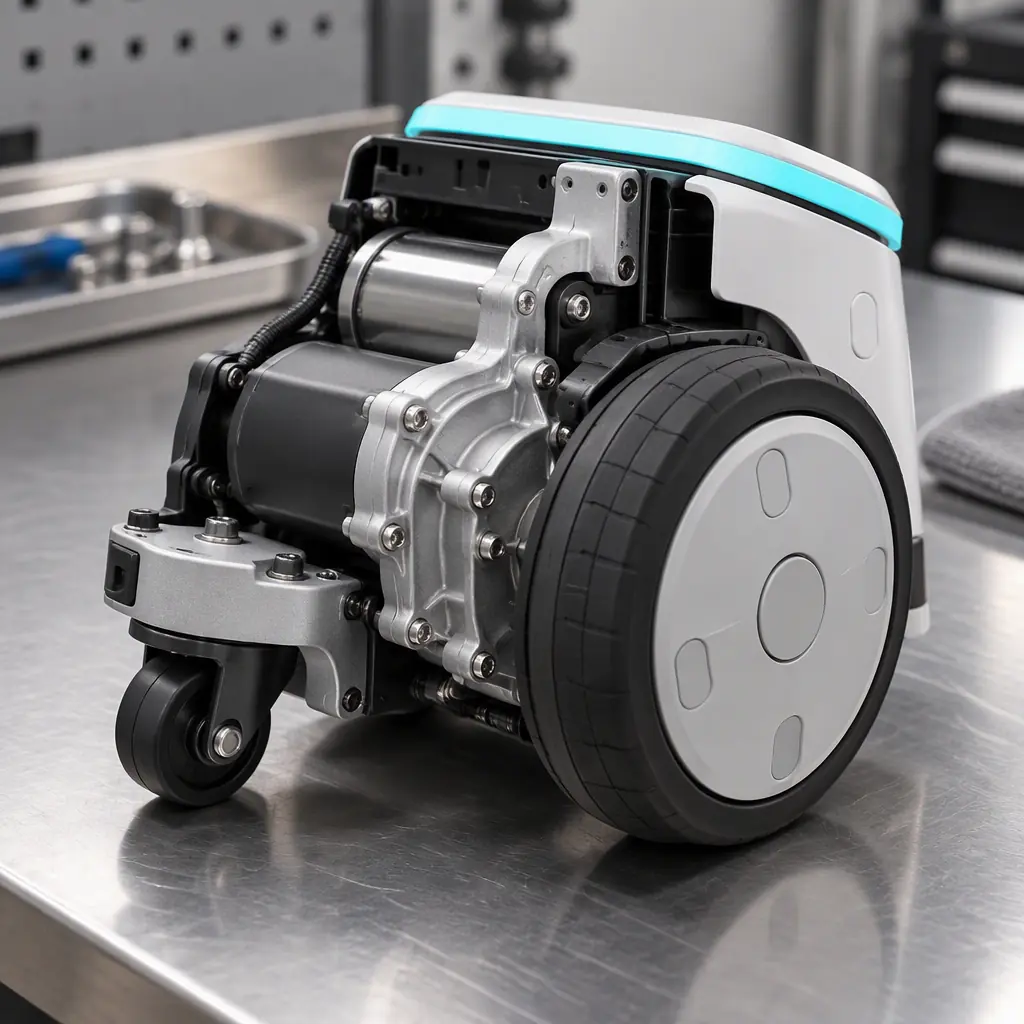
Every warranty excludes wear parts. The dispute is never whether wear parts are excluded; it is which components are classified as wear parts. A conservatively drawn list covers brushes, squeegees, tyres, filters and batteries. An aggressively drawn list can absorb drive motors, wheel hub assemblies, sensor covers and lift mechanisms, components a buyer would reasonably consider core.
Wear on a service robot is a function of duty cycle, which the buyer controls. That gives you a negotiating position: if the supplier classifies a component as wear, ask for its rated duty cycle and the maintenance action that resets its life. A component with no stated service interval and no published replacement procedure is not a wear part by any defensible definition. It is a consumable the supplier is trying to move off its own balance sheet.
Three components deserve specific attention. Batteries are almost always excluded or covered for a sharply reduced period; establish the rated cycle count and the capacity threshold at which replacement is warranted. Squeegee and brush assemblies are legitimately wear items, but their cost per thousand square metres should be quoted so it can enter the cost model. Drive and hub assemblies should not be on the wear list on a machine rated for commercial duty.
The consumables arithmetic, what these parts actually cost per operating hour, is worked through in spare parts and consumables planning.
Clause 3, Spare Parts Availability and the MTTR Illusion
This is the clause that most often converts a good warranty into a poor outcome, and it is the one buyers scrutinise least. A repair-time commitment is meaningless without a parts commitment attached to it, because the repair clock does not start until the part exists locally.
Ask three questions and require the answers in writing. What is the stated parts lead time for the components that stop the machine, drive assemblies, batteries, control boards, sensor modules? Where are they held . At the factory, in a regional depot, or in the destination country? What is the escalation path if a part is out of stock, and does the supplier have an obligation to substitute or loan a replacement unit?
A supplier unable to answer these has not built the service network the warranty implies. A supplier who answers them plainly, even with long lead times, is giving you the information needed to hold a sensible level of on-site spares. The calculation of how many spares to hold, based on fleet size and lead time, is set out in the same consumables guide.
The wider rollout question, how parts availability interacts with the order-to-operation timeline, is covered in planning a fleet rollout.
Clause 4, Software, Data and the End-of-Support Question
Service robots are software-dependent machines, and contracts drafted on hardware logic frequently say nothing useful about software. Four points belong in the agreement.
Update obligations and duration. For how many years will the supplier provide security and functional updates, and what happens at the end? A fleet with a five-year physical life and a two-year software support window has a three-year orphan period.
Functionality at end of support. Require confirmation that the robot continues to perform its core duties if the supplier ceases updates, or, better, ceases trading. The scenario to guard against is a cloud-dependent fleet that stops working when a subscription lapses.
Data ownership and export. Task logs, maps and operational data belong to the operator. Require a documented export format and an obligation to provide the export on request, including at contract end. Without this, the KPI framework in our KPI benchmark guide cannot be run.
Security maintenance. If the fleet is cloud-connected, state who is responsible for credential rotation and vulnerability remediation, and within what period. Data protection obligations for a connected fleet are covered in security and privacy for service robots.
The Fifth Clause: Liability Caps and Insurance Interaction
Warranty covers defects. It does not cover what a defect causes. If a robot damages a shopfront or injures a member of the public, the claim runs through your liability insurance, not the warranty. And the contract should say clearly how the supplier supports that claim.
Two provisions matter. First, a commitment to cooperate with an insurance investigation, including supplying logs and maintenance records, since the operator's policy will typically require evidence of proper servicing. Second, clarity on whether the supplier's own liability insurance extends to machines operating in the buyer's jurisdiction. Many do not, which means the buyer's policy carries the whole exposure. The interaction between warranty, servicing evidence and liability cover is examined in insurance and liability for service robots.
A Negotiation Order That Works
Negotiate in this sequence, because each item is easier to win while earlier ones are still open. First, separate response from return-to-service and get a clock on the latter. Second, get the wear-part list itemised, with duty-cycle ratings. Third, get parts lead times and holding locations in writing. Fourth, fix the software support horizon and the data export obligation. Fifth, address liability cooperation.
A supplier who negotiates all five in good faith is demonstrating that the service organisation behind the quotation is real. A supplier who will not commit to a return-to-service clock or a parts lead time is telling you something important about what the warranty is worth in practice.
AOMAN FUTURE quotes warranty terms with the wear-part schedule itemised, parts lead times stated per component category, and a return-to-service commitment separate from response time. To see the terms alongside a configuration for your site, request a quotation and warranty schedule, or review the manufacturing and quality process behind them on our quality and compliance page.